Europe’s electric car industry is losing ground to China, with design and manufacturing slipping out of European hands. Political proposals and infrastructure gaps reveal a sector under pressure and a continent at a crossroads.
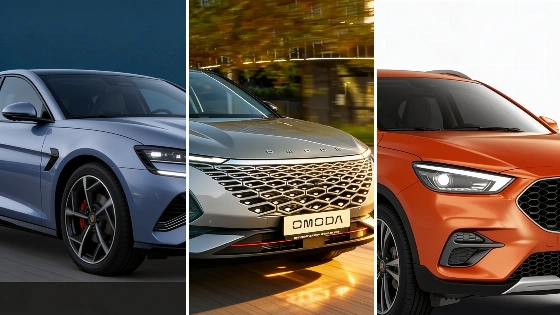
China now calls the shots in electric cars. European carmakers see it every day. The European Parliament has floated a new idea: force China to build three-quarters of its electric cars inside Europe. But that misses the real problem. The power sits with those who design the cars, not just those who put them together. Bruegel points out that China’s grip goes far beyond assembly. It controls batteries and key parts. By 2025 and 2026, European automakers will depend even more on Chinese tech and money.
Design centers are the real heart of any car factory. Whoever owns design owns the patents. They set the rules for the whole supply chain. For Europe, the fight is not about where cars roll off the line. It’s about who holds the creative and technical keys. If Europe can’t win back this ground, its brands could end up as subcontractors. They once led this market. Now, they risk losing it. Euronews data shows that by 2026, Chinese electric vehicles made up over 20% of EU EV sales. Chinese groups are moving fast and grabbing more of the market.
BYD is set to begin serial production at its first European passenger car plant in Szeged, Hungary, in the fourth quarter of 2026, producing both BEVs and PHEVs.
Spain’s housing mess tells a similar story. The Maricarmen case has exposed how policy and old thinking have failed. Some proposals even want landlords to pay tenants. But the real problem is simple. There just aren’t enough homes. Any economics student can see it. Supply is the bottleneck, not ideology.
Spain’s infrastructure is stuck too. Energy shortages block new buildings and factories. Roads are full of potholes. High-speed trains run late. Airports are packed. Billions in European funds have come and gone. The chance to fix things slipped away. Sanchismo—the current government’s approach—has left Spain stretched thin. The money is gone. The problems remain.
Euronews reports that stricter 'made in Europe' battery rules could add around €2,100 to the price of an electric car, highlighting the significant role of Korean and Chinese battery manufacturers in the European market.
Big Spanish companies are stuck as well. Marc Murtra, Indra’s former president, and Ángel Simón, the current president, tried to team up with Telefónica on cybersecurity. It went nowhere. Telefónica wanted to move into civilian cybersecurity. Indra pushed back. Military cybersecurity is off-limits. Defense gets the money. Telecoms are left behind. Headlines come out every week, but there’s no real deal. No one wants to give up control or profits.
Politics has frozen business. Companies wait for the next shakeup. Many just watch and guess what Pedro Sánchez will do next. Projects stall. Risk-taking dries up. Innovation slows. The mood is stuck. No one moves.
Europe’s electric car plans face more hurdles. New EU rules will soon require card payments at all fast charging stations. The goal is to make charging easier. But it also shows how Europe struggles to keep up with fast tech changes.
This isn’t just about building more electric cars. Europe needs to take back the lead in design, infrastructure, and policy. If it doesn’t, it will watch from the sidelines. The facts are clear. Europe stands at a crossroads. It must choose: managed decline or a push for real innovation and control.