The PP will take a new border bill to the Senate next week. Alicia García wants returns to cover people who enter Spain by swimming. Ceuta remains at the centre of the dispute.
The Partido Popular will take its border bill to the Senate on Wednesday 30 September. The measure would extend border returns to every irregular entry attempt, including people who reach Spanish territory by swimming. Alicia García says it would strengthen border protection and force the Government to answer for the situation in Ceuta.
The bill follows the Supreme Court's ruling 814/2026 of 29 June 2026. That decision limited border rejection to cases involving physical border barriers. The PP wants to change the 10th additional provision of the immigration law and apply the same mechanism to other forms of entry.
The legal change has a clear target.
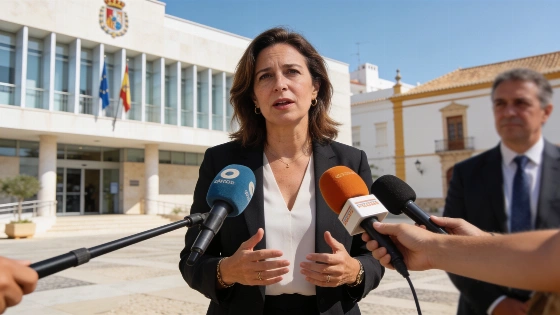
The PSOE and the Government blocked the same proposal in Congress, according to the PP spokeswoman in the Senate. Speaking before the PP provincial board meeting in Cádiz alongside Bruno García, Alicia García said people who arrived during what she called an invasion should be returned. PSOE senators will now have to show how they will vote.
The PP initiative follows Spain's Supreme Court ruling 814/2026 of 29 June 2026, which limited border rejection to cases involving the crossing of physical border barriers. The proposed reform seeks to extend the mechanism to other irregular entries, including arrivals by sea.
Ceuta is at the centre of García's case against Pedro Sánchez.
She contrasted Alberto Núñez Feijóo's visit to the city with Manfred Weber and Juan Jesús Vivas with Sánchez's trip to New York. García said Feijóo's presence showed that Ceuta had become a priority for Spain and Europe. She accused the Prime Minister of being thousands of kilometres away and embracing the president of Maduro.
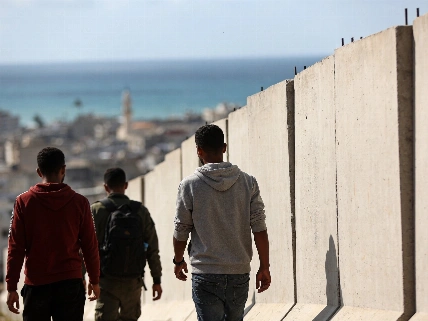
García also criticised the Government's handling of the border crisis. More than 70,000 to 80,000 people entered Ceuta during the mass arrival in late July, according to different estimates. The episode created major humanitarian and administrative problems.
The scale of the crisis remains disputed, but independent reports put the number of people still in Ceuta in the thousands, with estimates ranging from roughly 6,000–10,000 to about 12,500 or 13,000. Spanish authorities have also reported between 150 and 200 voluntary returns to Morocco each day.
Two months later, García says children still need escorts on the way to school. She also says healthcare security and public order face serious problems. Her description is blunt: the Government has improvised instead of giving Ceuta a response.
Thousands remain in the city.
García blamed Morocco for inaction or omission. She also pointed to a European resolution promoted by the PP that calls for stronger border protection. Spanish authorities have reported between 150 and 200 voluntary returns to Morocco each day.
The dispute reaches beyond migration policy.
At the Cádiz meeting, García linked the border issue to security in the province and the fight against drug trafficking. She called Interior Minister Fernando Grande-Marlaska incapable and ineffective. She cited increases during the latest six-month period of 17% in kidnappings, 4% in sexual assaults and 9% in drug trafficking in Spain.
The PP says police officers and Civil Guard personnel face traffickers who use weapons of war. García said the party is promoting legislation that would give officers more capacity to respond to those weapons.
She recalled measures already approved in the Senate during the legislature. They include tougher penalties for drug-trafficking offences, the possibility of trials before higher courts, the classification of narcolanchas as attacks on authority and criminal prosecution for petaqueo.
Juanma Moreno has also taken drug trafficking on the Andalusian coast to the highest level of European politics, according to the PP.
The humanitarian issue has kept Ceuta in the wider European debate. The European Economic and Social Committee described the episode as a mass influx. It linked the crisis to more than 140 deaths and severe humanitarian consequences.
Euronews reported that most of Ceuta's approximately 2,000 unaccompanied minors were not expected to return to Morocco. Thousands of adults also remained in the city. Estimates of the total number still there range from roughly 6,000 to 10,000, about 12,500 and around 13,000.
García wants the OCON-Sur unit restored. She also wants Cádiz declared a Zone of Special Singularity. The PP spokeswoman attacked the PSOE for opposing measures backed by her party.
She criticised the Senate's legislative blockages under Francina Armengol, whom she described as Sánchez's 23rd minister. The wider political pressure can be seen alongside the economic disputes covered in an earlier report on Santander's Brazilian offer.
The issue has also moved beyond Spain's domestic institutions. European People's Party leader Manfred Weber warned Morocco of "obvious consequences" if the border situation did not stabilise. Ceuta is now part of the European discussion about migration control and cooperation with Rabat.
García's announcement remains a legislative proposal, not an approved rule. Its immediate test will come in the vote. The PP wants swimming attempts treated under the same return framework as other irregular entries.
PSOE senators will have to define their position on Ceuta and border control. The Senate will provide the next clear measure of support for the PP's combined message on migration and security.