World Cup 2026 kicks off in Mexico: tickets at $3,000 and new restrictions. Ahead of the 2026 World Cup in Mexico, expensive tickets, protests and fan restrictions are the main topics of discussion. Authorities are tightening security measures, while FIFA explains its pricing policy. The tournament faces political and logistical challenges.
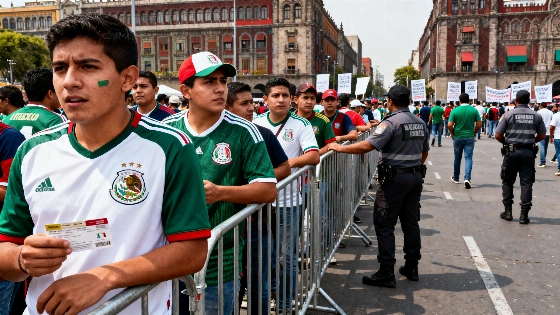
In Mexico City, just one day before the opening of the 2026 FIFA World Cup, fans and media are focused on the sharp rise in ticket prices and new restrictions for supporters. Entry to the opening match between Mexico and South Africa has reached $3,000, sparking a wave of discontent among locals. Many have chosen fan zones where the festive atmosphere is combined with protests against FIFA’s pricing policy. According to organizers, ticket prices are comparable to those at other major sporting events, but for most Mexicans, these amounts remain unaffordable.
In downtown Mexico City, lines have already formed at the fan zone, where, despite the protests, preparations for the tournament’s start continue. One of the first visitors, Mario Martinez from Tijuana, admitted he could not afford a stadium ticket. Also waiting was Jonathan Cordoba, who noted that his passion for football outweighs financial difficulties, although in his view, FIFA is primarily focused on profit.
Amid the ticket frenzy, the authorities in Toulouse, France, have announced a curfew for minors during high-risk matches. The measure aims to prevent offenses among youth and strengthen public order. Other cities in Europe and the US are also introducing additional restrictions related to security and migration issues. Some referees and fans have faced visa denials, adding to the tournament’s tensions.
Particular attention was drawn to the case of Somali referee Omar Artan, who was denied entry to the United States to officiate at the 2026 World Cup matches. Despite this, Artan was appointed to referee the UEFA Super Cup final, which will take place in August. In Germany, national team players decided to pay for free transportation for fans to the final group stage match to support the fan movement.
Turkey's head coach Vincenzo Montella singled out Arda Güler as a key player ahead of the match against Australia. In the US, USMNT coach Pochettino chose not to comment on political issues, focusing instead on team unity. Nike published care recommendations for the new kit following complaints about the shoulder seams. In England, Kieran McKenna left his position as head coach of Ipswich, leaving behind the reputation of a respected specialist.
In Mexico, the air temperature on the opening day of the tournament is expected to be around 26°C. Organizers note that the championship presents not only sporting, but also political and social challenges. According to RUSSPAIN, the scale of the tournament and its impact on the infrastructure, transportation, and economy of the host countries is comparable to the largest global events in recent years. In the article about the new rules and the expansion of participants for the 2026 World Cup the key format changes and possible consequences for European teams are examined in detail.
Among other news are issues within the West Ham women's team, player transfers, and staff changes among the coaching personnel. The tournament is set to begin amid heightened focus on safety, logistics, and accessibility for fans. Expectations for the 2026 World Cup are high, but it is already clear that financial and organizational matters will be among the main topics of discussion throughout the championship.