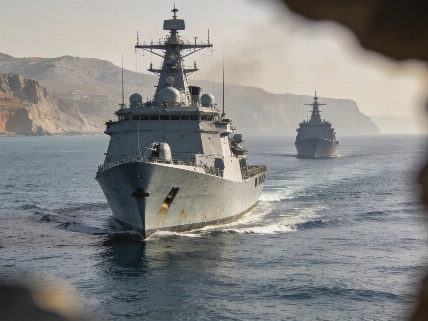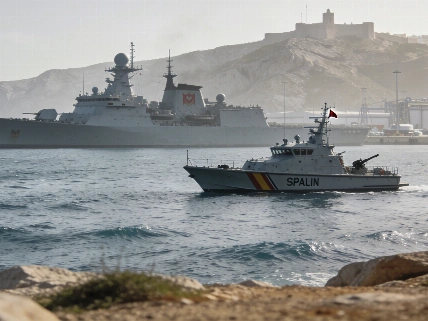
Two Dead in Chase After Narco Boat: Tragedy in the Waters off Huelva. Two Civil Guard officers died while pursuing a drug trafficking boat off the coast of Huelva. The incident has highlighted a lack of resources and the risks faced by maritime patrols. Authorities have pledged to step up efforts against the drug trade.
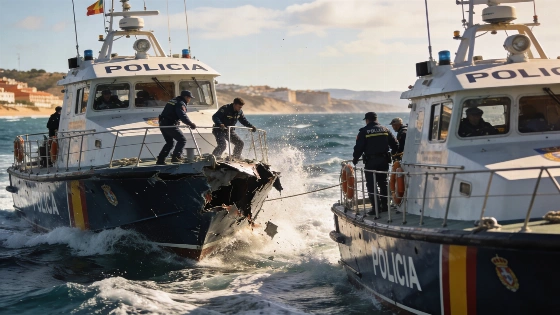
A drug interception operation in the Atlantic waters off the coast of Huelva ended in tragedy: two Civil Guard officers—Captain Jerónimo Jiménez and Germán Pérez—died as a result of a collision between two patrol boats. The incident occurred 80 nautical miles from the Spanish shore while the crews were pursuing a drug traffickers' speedboat. Two other officers were injured, one of them seriously.
Growing risks at sea
Each year, the fight against maritime drug trafficking grows more dangerous. According to the Civil Guard, drug cartels are using increasingly powerful and faster boats, capable of reaching speeds of up to 80 knots. During attempts to apprehend them, the traffickers' crews ram patrol boats, create artificial waves, and do not shy away from dangerous maneuvers. In open sea conditions, where immediate medical help is unavailable, any mistake or collision can be fatal.
Lack of resources and outdated equipment
Professional associations of Civil Guard officers have repeatedly warned about staff shortages and a lack of technical resources. Despite Interior Minister Fernando Grande-Marlaska’s statements about increased funding and fleet renewal, a third of patrol boats have already exceeded their 15-year service life. New high-speed aluminum vessels, such as the Río Antas, are designed to withstand impacts, but there are still not enough of them to cover all critical areas. Association representatives are demanding faster equipment upgrades and the involvement of experienced personnel in the selection of new vessels.
Legal and operational challenges
Members of maritime units note that the life-threatening risks they face often do not correspond to the consequences for detainees: many drug traffickers are soon released or receive minimal sentences. Unions insist on the need for clear protocols for operations at varying distances from shore and for video recording all arrests to legally protect crews. Authorities have already banned private use of speedboats and toughened penalties for supplying narco-boats with fuel, but according to patrol officers themselves, this is not enough.
Parallels and consequences
Similar incidents have already resulted in casualties among both officers and drug traffickers: since 2020, 11 people from the opposing side have died in accidents during high-speed pursuits. In February 2024, two guards were killed in the port of Barbate during a deliberate attack by a narco-boat. Spanish authorities continue to expand international cooperation and improve legislation to curb the growth of maritime drug trafficking. In this context, it is worth recalling large-scale operations at sea, such as the evacuation of cruise ship passengers near the Canary Islands, where maritime police and military forces were also involved.
According to the Civil Guard representatives, effective fight against maritime drug trafficking requires not only new boats, but also a revision of operational approaches and legal protection for crews. For now, every operation remains a test of endurance for those who go out to sea every day.