PP and Vox escalate their campaign against Pedro Sánchez, demanding judicial accountability for the Ceuta migration crisis. Calls for prosecution and accusations of betrayal dominate Spain’s political stage. The legal battle now overshadows parliamentary debate.
Spain’s political right has taken its fight with Pedro Sánchez from parliament to the courts. Both PP leader Alberto Núñez Feijóo and Vox’s Santiago Abascal now say they will pursue criminal charges over how the government handled the Ceuta migration crisis. This marks a sharp escalation, as opposition leaders frame the border incident as not just a policy failure but a matter for the judiciary—and possibly the Supreme Court.
The core of their argument is that Sánchez and his ministers are not only politically but also legally responsible for what the right calls an attack on Spain’s territorial integrity. Feijóo, speaking to Sánchez in Congress, warned that the consequences would be felt "before the courts and at the ballot box." Vox has gone further, demanding that parliament start proceedings to try Sánchez for treason under Article 102 of the Constitution. That process would require a quarter of deputies to sign on and a majority to approve—numbers the right does not have.
On September 3, 2026, Pedro Sánchez told Congress that the government had no evidence Morocco planned or organized the mass crossing into Ceuta, and insisted Spain had 'nothing to hide' in the matter.
Legal steps are already underway. The PP has joined the preliminary investigation opened by Judge María Tardó at the Audiencia Nacional, which is looking into the mass border crossing in late July. The case is still in its early stages and has not been fully opened, but Feijóo predicts it could reach the Supreme Court if any government minister with parliamentary immunity is implicated. The PP’s focus is not just on Sánchez; Interior Minister Fernando Grande-Marlaska is also under scrutiny, with PP sources saying he has started documenting all communications related to the incident in case he needs a legal defense.
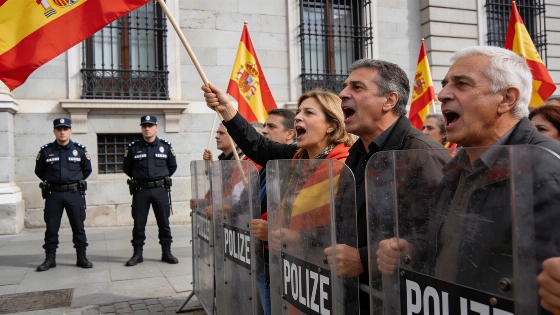
Vox is pressing the PP to back a constitutional procedure that would allow Sánchez to be tried for treason. Abascal has accused the prime minister of betraying Spain, its citizens, and even his own party, and claims Sánchez has tried to shift blame onto police officers for the border breach. The PP, however, has dismissed this as political theater, pointing out that the numbers are not there to force such a debate in parliament. PP spokesman Borja Sémper called Vox’s proposal "fireworks."
Despite their differences in approach, both parties agree on one thing: the Ceuta crisis will not be settled by political explanations alone. The ongoing police investigation and judicial proceedings give the right a way to keep pressure on the government, keeping the issue alive in both the courts and the public eye. This fits with the opposition’s broader strategy in recent months, as they have repeatedly raised the possibility of Sánchez facing indictment in other cases involving alleged corruption linked to his family and the PSOE—though no such charges have been filed.
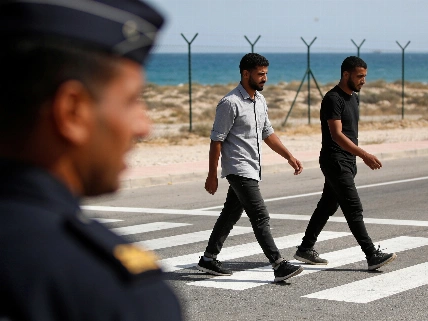
According to BBC and Reuters, the Ceuta incident involved an unprecedented influx, with estimates reaching 72,000 migrants during the wave of pressure on the Spanish enclave. Sánchez has emphasized that there were no advance warnings or special notifications from foreign policy, European, or other international bodies prior to the July 30–31 crisis.
The legal and political stakes are high. As previously reported, the government’s response to the Ceuta crisis has already been marked by confusion over migrant numbers and internal disputes between ministries. Now, with the right’s legal offensive gaining momentum, the crisis has become a test of both the government’s resilience and the opposition’s willingness to push Spain’s constitutional mechanisms to their limits.
Judicial proceedings have now replaced debate, and the opposition shows no sign of backing down, despite procedural obstacles or the early stage of the investigation. The PP and Vox are betting that the courts, not parliament, will deliver the reckoning they want. For now, the focus is less on immediate legal outcomes—which remain uncertain—and more on keeping the narrative of government responsibility in the spotlight. The Ceuta crisis has become the latest battleground in the ongoing struggle between Spain’s government and its opposition, with legal tools now at the center of the fight.