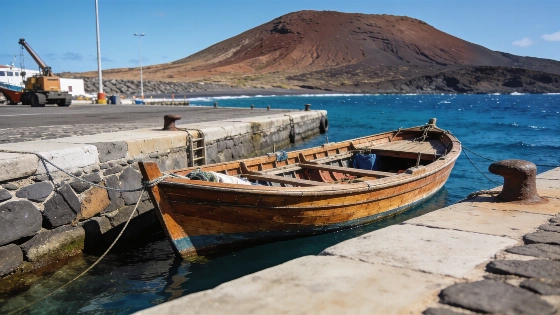
Close to 10,000 people had reached El Hierro by cayuco during November when Alberto Núñez Feijóo visited, according to the account of the trip. The PP leader visited the port of La Restinga on 20 November, during the campaign for Spain’s 29 November general election, and used the trip to outline a proposal for a central immigration command if he became prime minister.
Feijóo said the proposed “mando único en inmigración” would coordinate the government’s response. He argued that responsibility for immigration was spread across seven ministers and that consolidating authority would improve coordination on border control and arrivals. The plan was an election pledge, not an implemented measure.
Associated Press reported that more than 11,000 migrants reached the Canary Islands in the first half of November. By the time of its report, Spain’s Interior Ministry had recorded 24,364 arrivals in the islands during 2026. Separately, the International Organization for Migration recorded 17,788 irregular boat arrivals in the Canary Islands in 2025, 62% fewer than in 2024. Feijóo’s visit included La Restinga, where hundreds of cayucos had arrived in recent weeks, and the Cofradía de Pescadores. He said he had come because the island faced a critical situation, describing the arrivals as comparable in number to the island’s resident population.
He blamed Pedro Sánchez’s government for what he called a migration policy with a “pull factor”. Feijóo claimed that more than 400,000 migrants had entered Spain irregularly over eight years, excluding 100,000 who entered Ceuta. He cited those figures as part of his criticism of the government.
His proposals included changing the Criminal Code to tackle trafficking networks and seeking support from Frontex and Europol. He also called for cooperation with countries of origin, saying Spanish funding should go to countries that cooperated on regular migration. A separate report covered Vox leader Abascal’s support for deportation centres in third countries.
Feijóo also proposed changing the law on minors to enable the return of children who had entered irregularly to their families. EFE reported that the number of migrant children under Spanish government care in the Canary Islands rose from about 2,300 to more than 3,000 over 15 days. He said a future government would provide security forces with more equipment and officers to protect the islands’ borders.