Carlos Garaikoetxea, First Basque Leader After Autonomy Restoration, Dies. Carlos Garaikoetxea, the first head of the Basque Government following the adoption of the Statute of Gernika, has died at the age of 87. He led the PNV before founding Eusko Alkartasuna. Garaikoetxea was known for his criticism of the limitations placed on Basque autonomy.
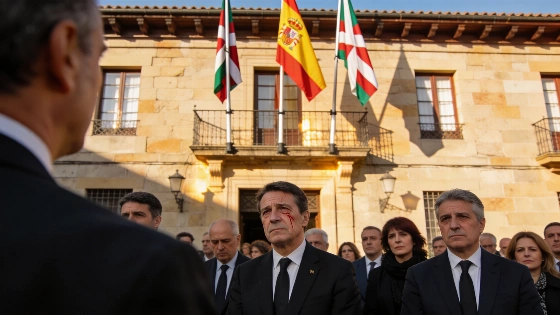
Carlos Garaikoetxea, the first democratically elected leader of the Basque Country’s regional government after Spain’s dictatorship, has died at the age of 87. His passing is a notable event in Basque politics: it was under Garaikoetxea that the first cabinet was formed following the adoption of the Statute of Gernika in 1979, which defined the modern structure of Basque autonomy.
Garaikoetxea led the Basque Nationalist Party (PNV) starting in 1977, and just three years later was elected head of the regional government. Prior to that, he chaired the Basque General Council—an interim body preparing the transition to autonomy, succeeding socialist Ramón Rubial. In 1986, Garaikoetxea initiated the creation of Eusko Alkartasuna, a new political force born from internal disagreements within the PNV. He led this party from 1987 to 1999.
Over his career, Garaikoetxea was not only the leader of the Basque government but also a deputy in the Navarrese parliament, represented Spain twice in the European Parliament, and was elected five times to the Basque Country's legislative assembly. He held degrees in law and economics, and was born in Pamplona in 1938.
Garaikoetxea repeatedly emphasized that the adoption of the Statute of Gernika was the only possible and responsible step to overcome the economic crisis of the late 1970s. However, he later openly criticized the restrictions and shortcomings that autonomy faced in implementing the statute. Issues of autonomy and regional rights remain relevant for Spain today, as evidenced by other events related to regional politics. For example, a recent initiative by Queen Letizia drew attention when she discussed employment and discrimination issues among Roma women in Madrid — details of this meeting are available here.