Spanish police have detained four young individuals accused of supporting ISIS. The arrests took place in Toledo, Madrid, Barcelona and Ceuta. Authorities cite ongoing online propaganda and plans to travel to conflict zones.
Spanish police have arrested four individuals in Toledo, Madrid, Barcelona and Ceuta on suspicion of terrorist indoctrination, self-training and glorification of terrorism. According to authorities, the suspects, all young adults, are believed to have fully embraced the ideology of ISIS and repeatedly expressed support for violent global jihad through online posts.
The investigation, led by the General Information Commissariat, revealed that the detainees used their social media profiles to access and share ISIS propaganda and training materials. Police described the level of radicalisation as extremely high, noting that the suspects consistently disseminated content with a strong indoctrinating and glorifying tone.
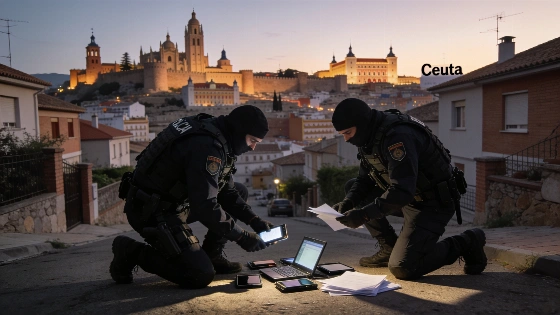
One of those arrested is a woman who, according to police, had purchased a plane ticket to Turkey with the intention of reaching conflict zones in the Middle East. This development prompted authorities to expedite her arrest. On the day of the operation, officers searched three homes and seized computer equipment, mobile phones and various documents, which are now being analysed.
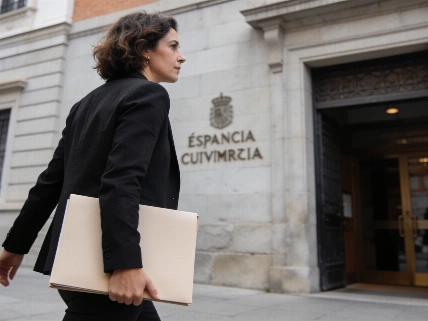
The detainees have been brought before the courts, with the judge ordering the imprisonment of the woman arrested in Toledo. The operation was coordinated with provincial information brigades from Valencia, Alicante, Toledo, Barcelona and Ceuta, and directed by the Central Court of Instruction No. 6 and the National Court Prosecutor's Office.
Spain has seen a series of anti-terror operations in recent years, reflecting ongoing concerns about radicalisation and the use of digital platforms for extremist recruitment. In a related context, police in Castellón recently detained a 22-year-old after armed threats from a balcony, highlighting the range of security challenges authorities face. Details of that incident can be found in this report on a separate police intervention in Castellón.
Spain's approach to counter-terrorism includes close monitoring of online activity and swift action when individuals are suspected of planning to travel to conflict zones. The collaboration between national and provincial police units, as well as judicial authorities, is seen as crucial in disrupting potential threats. The ongoing analysis of seized materials may provide further insight into the networks and methods used by those seeking to promote extremist ideologies within Spain.