Carlos Serrano Suárez, detained and tortured under Franco, testified in Madrid. The judge also issued a summons for Begoña Gómez. The day was marked by personal stories and unexpected public attention.
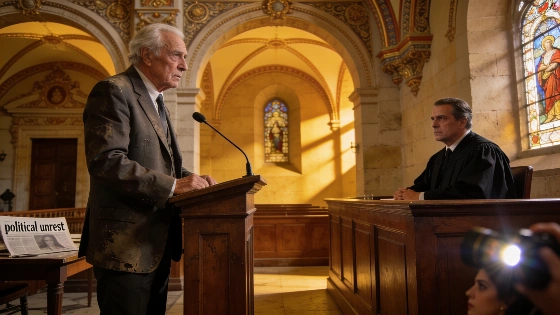
Madrid’s Tribunal de Instancia witnessed a rare and significant moment on June 22, 2026, as Carlos Serrano Suárez, a survivor of torture during the Franco dictatorship, gave his testimony before Judge Juan Carlos Peinado. Serrano Suárez, who was arrested at 17 for his anti-Franco activism, described his detention at the former Dirección General de Seguridad in Puerta del Sol and subsequent torture by the Brigada Político-Social before being sent to Carabanchel prison. His appearance marks only the second time in Spain that a victim of Franco-era torture has been heard in court, underscoring the ongoing struggle for historical justice.
The day’s proceedings were further complicated by Judge Peinado’s decision to issue a summons to Begoña Gómez, the wife of Spain’s Prime Minister, requiring her to appear on June 24 and surrender her passport. This move, prompted by concerns she might leave the country, added a layer of political tension to an already charged day in the Madrid courts.
While the courtroom focused on historic abuses and current legal maneuvers, public attention was also drawn to cultural headlines. News circulated that Bad Bunny, the internationally known Puerto Rican artist, was seen at Wimbledon with his former partner, Gabriela Berlingeri. Their reunion sparked conversations about personal priorities and the idea of a “plan A” in relationships, a theme that resonated beyond celebrity news and into everyday life.
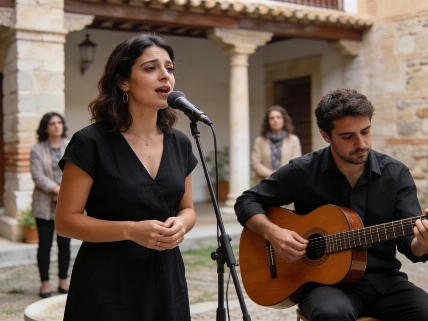
Elsewhere in Madrid, daily realities played out at street level. Stories emerged of couples working at traffic lights, cleaning car windows for spare change, and the subtle negotiations that define urban survival. These vignettes, while seemingly distant from the courtroom, reflect the broader questions of trust, loyalty, and the choices people make—whether in love, work, or the pursuit of justice.
The intersection of personal and political stories in Madrid this week echoes other recent events in Spain’s legal and social landscape. For example, the exposure of a major investment fraud in Valencia, where a family was arrested for orchestrating a Ponzi scheme affecting dozens, highlights the ongoing challenges of accountability and trust in Spanish society. Details of that case can be found in this report: Valencia investment fraud investigation.
Spain continues to grapple with the legacy of its past while navigating present-day legal and social complexities. The testimony of Carlos Serrano Suárez is a reminder of the unresolved wounds from the Franco era and the slow progress toward recognition and justice for victims. At the same time, the judicial scrutiny of high-profile figures like Begoña Gómez signals a climate of heightened accountability at the highest levels. These developments unfold against a backdrop of everyday struggles and shifting cultural narratives, illustrating the layered reality of contemporary Spain.
For context, the Franco dictatorship, which lasted from 1939 to 1975, left deep scars on Spanish society. Efforts to address historical abuses have often been met with legal and political obstacles. The Carabanchel prison, where Serrano Suárez was held, became a symbol of repression before its closure and demolition. Today, Spain’s courts are slowly opening to cases that were long considered untouchable, reflecting a broader European trend toward confronting historical injustices. The events in Madrid this week serve as a microcosm of these ongoing debates and the enduring impact of history on present-day life.