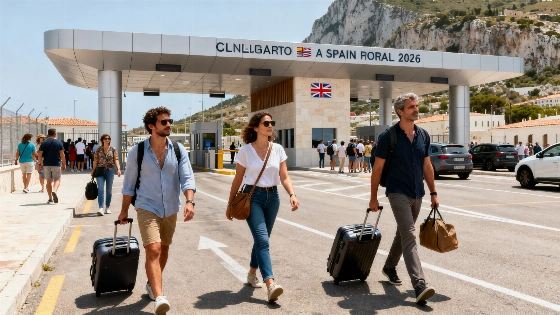
From 15 July 2026, provisional application of the treaty between the United Kingdom and the European Union on Gibraltar removed routine controls at the Gibraltar-Spain land frontier. Daily crossings became easier for workers and residents, while businesses also benefit. The arrangement does not make Gibraltar part of the European Union or the Schengen Area. Instead, it sets specific rules for the movement of people and goods while Gibraltar remains under British jurisdiction.
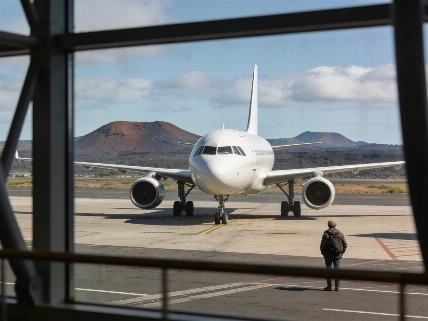
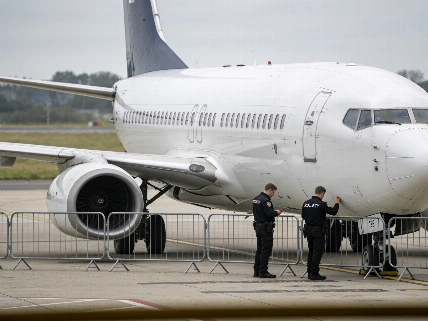
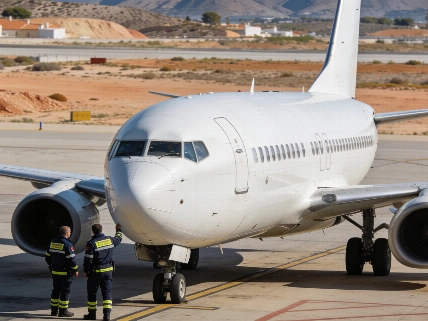
For arrivals by air or sea, Schengen external-border controls now apply at Gibraltar’s airport and port rather than at the land crossing. Travellers may face Gibraltar checks followed by Spanish checks under the Schengen Border Code. Entry into Spain and the wider Schengen area depends on meeting the applicable requirements. The change also matters to tourists arriving by cruise ship or yacht. Crew members who need a Schengen visa must still meet those entry rules.
Gibraltar’s Minister for Equality, Employment, Culture and Tourism, The Hon. Christian Santos GMD MP, says the agreement will make the territory more accessible to European visitors and investors. Around 260 cruise ship calls are expected in 2026, and the minister says airlines and tour operators have shown growing interest in the destination. Improved access may support tourism and business travel, but air connections and visitor numbers will depend on commercial decisions by carriers and operators.
The treaty is between the United Kingdom and the European Union. Spain is not formally a party, although Spanish authorities have a basic role in applying Schengen controls. The agreement followed a post-Brexit gap: Gibraltar was not covered by the principal EU-UK Withdrawal Agreement arrangements. European Commission Vice-President Maroš Šefčovič welcomed the deal, saying: “It was impressive to finally remove all obstacles to the free movement of goods and services in the region with the appropriate safeguards for the European Union.”
The structure also provides for tariff-free movement of goods between Gibraltar and the EU, while services links between the UK and Gibraltar continue. It does not remove every border procedure or give all travellers the same access: land-border travel is now more fluid, while arrivals by air or sea remain subject to the required checks. Lord Wood, the UK minister for Europe, called the treaty “the best solution available for Gibraltar” and said removing routine land controls was already benefiting “workers, residents and companies on both sides of the frontier.”
Tourism infrastructure and renovated historical sites remain part of Gibraltar’s development strategy, alongside business tourism, including the MICE segment covering meetings and conferences, with exhibitions also in scope. The Gibraltar Tourist Board is working with airlines and cruise operators, as well as other tourism partners, on preparations for the new arrangements. Event organisers and travel businesses will need to account for the difference between easier land crossings and the checks that remain at the airport and port.
The treaty also brings a fiscal change for visitors and maritime operators. Gibraltar’s goods transaction tax took effect on 15 July 2026 under the Treaty on Gibraltar and the European Union Act 2026 (Act 2026-11), which received assent on 1 April. The tax provisions appear in Chapter 4, sections 98-102, and Schedule 2. The initial rate is reported at 15%, with a planned transition towards EU-aligned rates over three years. For yachts, the new tax treatment of supplies and services changes Gibraltar’s traditional role as a low-tax provisioning and technical-stop location.
Implementation remains provisional while ratification procedures continue. A House of Lords debate in October 2026 highlighted the economic value of a fluid Gibraltar-La Línea de la Concepción frontier, alongside political concerns about the treaty’s longer-term implications, including Spain’s role and Gibraltar’s constitutional position. The final legal structure will determine the lasting arrangements for Gibraltar, the United Kingdom and the EU.
Gibraltar has traditionally been seen as a gateway to the Mediterranean and receives more than a million tourists annually. Tourism makes up a impressive part of its economy. Easier land crossings and tariff-free goods arrangements may support investment and broaden tourism services, but they do not mean Gibraltar has joined the EU or Schengen. The authorities continue to name sustainable development and the protection of the territory’s cultural and natural heritage as priorities.