Gabriel Rufián has sharply criticized the PSOE for prioritizing large property owners over struggling tenants. As Madrid’s Puerta del Sol fills with protesters demanding real change, the housing crisis is now the top concern for millions across Spain.
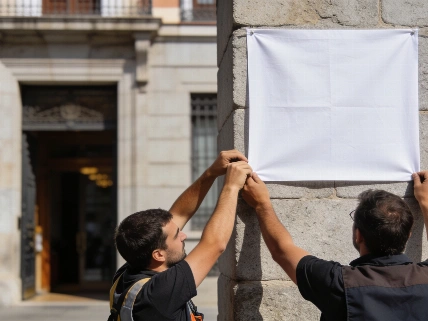
An 87-year-old woman lost her Madrid home after living there for 71 years. She got back in after a last-minute deal. But the story didn’t end there. Her eviction set off a protest wave. Now, Puerta del Sol is packed with tents and people refusing to leave. They want more than empty promises on housing.
Gabriel Rufián, ERC’s blunt spokesman, is not holding back. He says the government keeps picking the wrong side. "The PSOE is a party that every time it can choose, chooses the worst option," Rufián said. He claims the Socialists always back big landlords over tenants who can’t pay. For him, this isn’t just urgent. It’s survival. "When they say 'three issues,' for me it’s housing, housing, and housing," he said. Rufián warns the left could get swept away if it doesn’t act now.
According to the Bank of Spain, the country faces a housing deficit of around 550,000 homes, and social rental housing makes up less than 2% of the total stock—far below the EU average.
The government has passed two royal decrees. These extend eviction protections until 2030, regulate seasonal and room rentals, and let some contracts run two years longer. But the anger in Madrid hasn’t faded. Protesters in the city center say these steps are not enough. They plan to keep up the pressure until real solutions appear. The January 2026 CIS Barometer spells out the scale: 42.6% of Spaniards now call housing the country’s main problem. Among young adults, the number is even higher.
Rufián’s criticism goes deeper than policy tweaks. He points to a broken system. In the past year, 60% of homes were bought outright. Only 14% were bought as a main home. He wants a crackdown on speculation. Rufián says anyone trying to profit from housing should pay higher taxes or be banned. "With housing, there should be no speculation," he said. For him, investment and basic need are not the same.
He also blames foreign buyers. Rufián says they are snapping up multiple properties and pushing rents higher. He insists Spain can’t ignore this if it wants homes to stay within reach for its own people.
Independent outlets such as Reuters and NPR report that the protests in Madrid have grown into a nationwide movement, with an estimated 25,000 people attending the main march according to authorities, while organizers claim even higher numbers. Demonstrators are demanding not only stronger tenant protections and a ban on evictions without alternative housing, but also tougher action against speculative investment funds and stricter regulation of short-term rentals.
The government points to its reforms. But for those camped in Puerta del Sol, the reality feels very different. Their resolve is clear. Recent news coverage has shown just how tense Madrid’s housing standoff has become. The fight between tenants and lawmakers is now a test for Spain’s left.
Housing is no longer a side issue in Spain. It’s the main fight for trust in government and the future of city life. Rufián’s warnings are not just for show. Many now believe that if the government keeps siding with big property owners, it will lose the people it claims to serve. What happens next—both from PSOE and its critics—will show if the anger in Puerta del Sol sparks real change or just adds to a growing crisis.