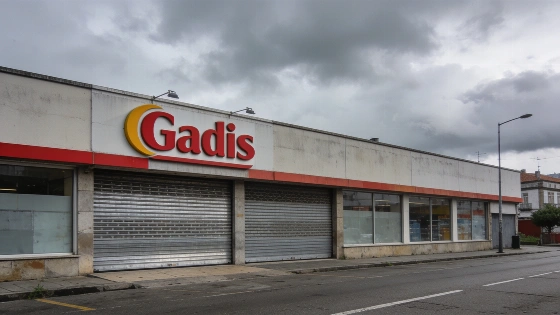
Gadis, one of Galicia’s largest supermarket chains, has sued four unions and eight union representatives, seeking €1.2 million over alleged losses from a four-day strike in June. The action targets CIG, CCOO, UGT and USO, along with members of the strike committee. The stoppage disrupted supermarkets and logistics centers in A Coruña province from June 21 to 24, during the busy San Xoán festivities, a peak period for food retailers.
The unions have condemned the lawsuit, calling it an attempt to intimidate workers and undermine the right to strike. They say the strike was peaceful and legally sanctioned, with no incidents reported during the stoppage. Union representatives also described the police presence as unprecedented, pointing to a impressive deployment of Guardia Civil units at basic logistics sites, particularly in Betanzos.
Gadisa, the parent company of Gadis, says its legal claim does not challenge the right to strike. The company says the courts must decide whether any actions during the industrial action went beyond lawful protest and, if so, whether compensation is justified. It describes the €1.2 million figure as an initial assessment of losses incurred.
The dispute comes as unions negotiate a new collective bargaining agreement for the food-retail sector. They are seeking better pay and working conditions for A Coruña’s 17,000 food-retail employees. Most earn just over €18,000 a year and often work variable hours, including weekends. The June strike drew strong participation and effectively halted operations at Gadis and other major chains. Gadis is the only company to have pursued legal action.
The dispute is part of a wider rise in labor conflict across Galicia. Praza.gal reported that nearly 50,000 people took part in strikes in the region between January and August 2026, about eight times the 2025 figure and more than in any full year since 2009. The A Coruña food-retail conflict was among several major labor disputes in the region, alongside conflicts in education, commerce, metalworking, textiles, health care and bus transport. The regional total covers strike participation across sectors, not the Gadis dispute alone.
On Monday, union representatives gathered outside the Sección de Mediación, Arbitraxe e Conciliación (SMAC) in A Coruña for a mandatory conciliation meeting. It ended without agreement, and the case will now proceed to court. Union leaders called Gadisa’s demands irrational and said they would not be intimidated by the legal proceedings. Further strikes are planned for the coming weekend, pointing to continued unrest in the sector.
Galicia’s labor tensions are escalating as the region prepares for a general strike on November 11, 2026. Information from Praza.gal, it will be the first such mobilization since 2012 to involve most of the major labor confederations. The wider campaign has grown amid demands for greater purchasing power, better pay and improved working conditions.
Gadisa is a major economic force in Galicia, with annual revenues exceeding €1.6 billion and nearly 9,000 employees across 480 stores in Galicia, Asturias, Castilla y León and Madrid. The company belongs to Grupo Tojeiro, which also owns Reganosa, operator of the Ferrol gas terminal. The case could set a precedent for labor relations in Spain’s retail sector, where pay and working conditions remain points of tension. It puts the competing interests of businesses and workers into sharper focus, particularly during busy trading periods.