
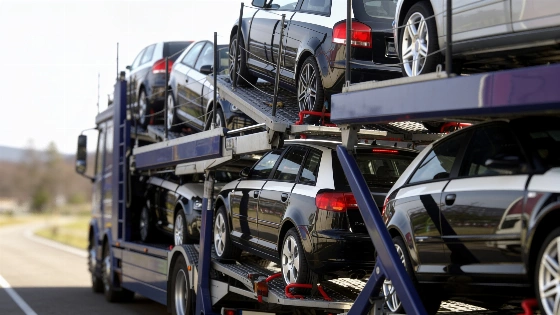
German used cars tempt Spanish buyers with lower prices and better features, yet most arrive carrying accident records and many show tampered mileage. The real price of these deals often stays buried.
At the port and on dealer lots, German used cars keep arriving in Spain. Eight out of ten come with a record of damage or accidents. Many have odometers showing tens of thousands fewer kilometers than they actually traveled. The supposed bargain—up to 20 percent cheaper than Spanish models—often hides a messier reality for buyers.
Germany’s new car market moves almost three million vehicles a year, nearly double Spain’s volume. Average prices hover near 50,000 euros. That scale means a steady stream of well-equipped used cars, drawing Spanish importers and buyers looking for more car for their money.
According to carVertical's analysis across 18 European markets, 52.2% of cars with rolled-back odometers also have a recorded damage history, compared to just 41% among cars with consistent mileage readings.
Over 120,000 vehicles cross from Germany and the Netherlands into Spain each year. Importers pocket commissions, and buyers get access to a wider selection at prices 15 to 20 percent below local rates. But the data points to a deeper problem.
German authorities report that only 3 percent of used cars in Germany have tampered odometers. For export vehicles, that figure jumps to nearly 11 percent. Spanish buyers face a real risk: many imported cars have had between 50,000 and 100,000 kilometers wiped from their records, inflating prices by as much as 6,000 euros. The fraud is illegal and can mean prison in both countries, but the money at stake keeps the practice alive.
Some cars get their mileage shaved again after crossing the border. Once in Spain, maintenance and inspection histories often vanish, leaving buyers guessing about the car’s true state. Industry sources on cross-border trade confirm that odometer rollback usually happens before the first Spanish registration or technical check. Official Spanish records then reflect only the doctored mileage, not the original gap. Sector analyses flag this loophole and warn against trusting local paperwork alone.
Official Spanish DGT reports only record mileage readings after a car is registered in Spain, leaving any prior foreign history—including damage and odometer manipulation—largely undocumented. As a result, fraud committed before import often goes undetected in Spanish inspection records.
Even when the mileage looks clean, hidden damage is common. More than 80 percent of German imports checked in Spain show past accident or damage records. Many get cosmetic repairs before shipping, but deeper issues can slip past an untrained eye. Not all damage is major, but the lack of transparency stacks the odds against buyers. CarVertical data shows that in Spain, 4.8 percent of cars with a damage record also show odometer manipulation, compared to 3.1 percent among cars without such a record. The link between hidden repairs and mileage fraud is clear.
Buyers are told to demand a full maintenance history—digital or paper—and to check the VIN using services like carVertical, Autocheck, or CARFAX. Still, CARFAX and ADAC warn that even commercial reports can miss incidents, especially if repairs were private or never entered official databases. Spanish ITV records rarely help with foreign cars, since manipulation often happens before the first local inspection. Germany has no unified public mileage database. Experts advise cross-checking TÜV or HU reports, service books, workshop bills, and electronic module readings to spot mismatches.
For those chasing reliability, official brand networks with certified used cars offer more protection, even for imports. Certification and documented maintenance add a layer of security that private imports lack.
The risk of buying a used car is not limited to German imports. As recent analysis of vehicle longevity shows, a car’s real value depends on its track record and transparency. Spanish buyers drawn to German deals face fraud, uncertainty, and possible repair bills. The only way to avoid a costly surprise is to know exactly what sits behind the wheel.