A 3.1-magnitude earthquake shook Granada and nearby towns early Wednesday, unsettling residents just as emergency measures were being eased. The tremor comes a month after the start of a seismic swarm that has brought over 1,700 quakes since August.
Granada residents woke to another jolt on Wednesday morning when a magnitude 3.1 earthquake struck with its epicenter in Ogíjares, just south of the city. The tremor was felt across Granada and neighboring towns, landing exactly one month after the region's seismic swarm began and breaking the fragile sense of calm that had started to return.
Officials had pointed to a steady drop in seismic activity since late August, but the latest quake quickly undercut that optimism. The Instituto Geográfico Nacional reported an intensity of III on the ten-point scale—enough for many to feel the shaking and for emergency services to field a surge of calls from Ogíjares, Granada, and other towns. No injuries or property damage have been reported, but the psychological toll is clear.
The earthquake was recorded at 09:54 local time at a depth of 0 km, confirming the seismic series in the Granada area is not over.
Initial reports placed the epicenter in Churriana de la Vega with a slightly higher magnitude, but later analysis confirmed Ogíjares as the source. The quake was felt in at least nineteen municipalities, including Alhendín, Vegas del Genil, Armilla, Atarfe, Monachil, Cájar, Cenes de la Vega, Cúllar Vega, Dílar, Las Gabias, Gójar, Huétor Vega, La Zubia, Maracena, Otura, Albolote, and Güevéjar. The wide reach of the tremor is a reminder of the area's ongoing vulnerability.
This latest event came just a day after Spain's Council of Ministers officially declared the affected areas as zones of serious civil protection emergency, following the "Alhendín-La Zubia-Granada seismic series." The Junta de Andalucía had only recently ended the emergency phase of its earthquake response plan, citing a drop in daily seismic energy and signs of stabilization. Still, Antonio Sanz of the regional government warned, "Lowering the plan level does not mean lowering our guard. The series cannot be considered over, and we will maintain scientific and operational monitoring."
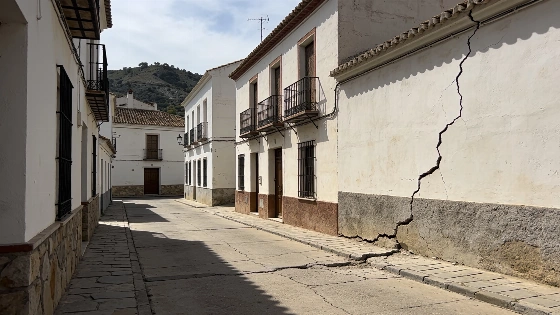
Since the swarm began on August 14, the region has experienced more than 1,700 earthquakes. The strongest—both magnitude 4.8—hit on August 15 and 18. Most quakes since then have been minor, rarely exceeding magnitude 2, but the cumulative effect has been significant. Nearly 700 people had to leave their homes as a precaution, and 418 are still displaced, waiting for repairs so they can return. Technical teams have inspected 1,188 buildings: 810 are classified as green (safe), 314 as yellow (restricted use), and 64 as red (unsafe). None have been marked as black, the most severe category.
On September 15, the Spanish Council of Ministers declared Granada a 'zone seriously affected by a civil protection emergency,' granting municipalities access to aid mechanisms after the August seismic series. Across Spain, 112 such episodes were recognized in 14 autonomous communities.
Emergency services have been under pressure, handling over 8,300 calls and managing 4,481 incidents since the crisis began. Most involved natural hazards and structural issues, but teams have also responded to rescues, medical emergencies, and service disruptions. The operational phase is now at level 0, with agencies staying alert and sharing information, while recovery efforts continue.
Just days before this latest quake, a smaller 1.9-magnitude tremor was recorded in Ogíjares, again felt in several southern towns and in Granada itself. In total, more than 150 earthquakes have been strong enough for residents to notice since mid-August, making seismic unpredictability part of daily life in the region.
Authorities continue to urge residents to focus on self-protection, repeating the basic advice: drop, cover, and hold on. Earthquake unpredictability means vigilance and preparedness are still necessary, even as official emergency levels are lowered. For Granada, a full return to normal remains out of reach, and each new tremor tests the community's resilience. The seismic series may be weakening, but its effects—both physical and psychological—are far from resolved.