Spain’s top traffic official says too many learner drivers arrive unprepared for their practical test. Pere Navarro urges a shift to automatic transmission training as failure rates remain stubbornly high.
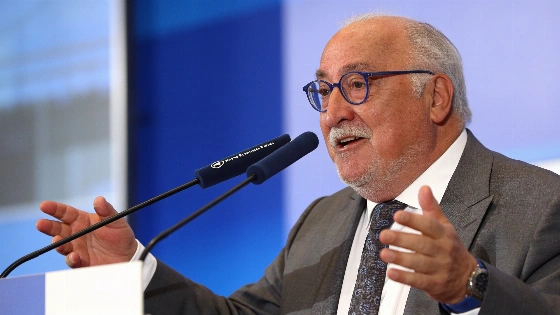
Pere Navarro, head of the DGT, did not hold back. He asked a simple question: “Would you send your child to a school where more than half the students fail?” Navarro says the problem is clear. About 50% of learner drivers in Spain fail their first practical test. He blames poor preparation, not a tough exam. The numbers back him up. In Zaragoza, official data from the Jefatura Provincial de Tráfico for 2025 shows 48.85% of candidates for category B licenses did not pass. That matches the national trend.
Spain is at a turning point for driver training. Automatic cars now make up about 60% of new registrations, according to recent reports. Yet most driving lessons and tests still use manual gearboxes. Navarro says this is out of date. “The future is the automatic,” he insists. He wants training and exams to focus on automatic cars. He argues this would help more people pass, especially as electric vehicles become common.
In 2025, the DGT detected 1,013 cases of cheating on the theoretical driving exam, and all those candidates were automatically failed.
Navarro broke down the numbers in a recent Motor 5 interview. Half of learners fail on their first try. About a quarter pass on the second. The rest need three or more attempts. He rejects the idea that the test is too hard. “They failed because they were not sufficiently prepared. Period.” Independent summaries of Navarro’s comments confirm the pattern: 25% pass on the second attempt, and the rest keep trying. The problem is not new.
Big changes are coming. New European rules will soon let 17-year-olds drive with an adult. Spain must put these rules in place by November 26, 2028, according to the latest EU directive and Navarro’s own statements. The country could act sooner. Under the new system, 17-year-olds can take both theory and practical tests. But until they turn 18, they must drive with an experienced adult. That person must be at least 24 and have held a license for over five years.
Navarro has a plan. He wants learners to qualify on automatics first. If they later need to drive a manual, a short extra course would be enough. No need to retake the full exam. This would match Spain’s car market and help the shift to electric vehicles, which are almost all automatic. Independent materials confirm that new EU rules will soon let drivers who passed on automatics remove the restriction after a brief course.
A recent media experiment found that about 91.9% of current drivers would fail today’s theoretical driving exam, fueling debate about the adequacy of driver training and the relevance of current curricula.
The DGT’s push for reform follows other recent changes. One example is the new rule on V16 emergency beacons, which has already caused debate among drivers. For those who want to know what equipment is required in Spanish vehicles, an earlier breakdown explains the details.
Driving schools in Spain now face a clear choice. They can adapt to new realities or risk leaving another generation behind. The numbers are stark. Navarro’s message is blunt. Without real change, high failure rates will stay. Tweaks are not enough. Only a full overhaul will bring Spanish driver training up to speed.