Hermigua on La Gomera has gained scientific attention for its mild climate and wild scenery. This small village blends steady weather, green valleys, and untamed beaches—offering comfort and raw nature in one place.
Most days in Hermigua, the temperature sits between 18 and 30 degrees. It rarely strays outside that range. Years ago, some international scientists called it the best climate on earth. The claim stuck. Still, there is no official, independent scientific ranking to confirm Hermigua as "the place with the best climate in the world." This idea comes from local history and media, not a formal global study.
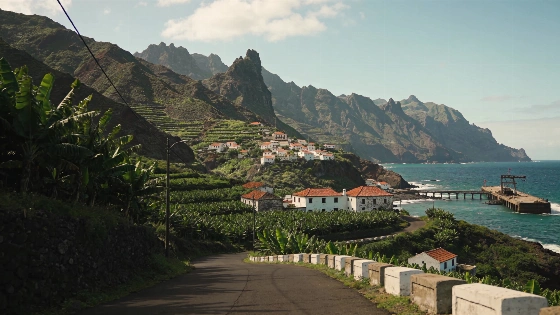
Hermigua is not a tourist trap. It does not promise paradise and deliver crowds. The village runs from the edge of Garajonay National Park down to the Atlantic. Laurel forests, palm groves, and banana fields cover the volcanic slopes. The green never fades. Dramatic viewpoints and wild beaches break up the landscape. Mediafax reports confirm that Hermigua sits partly inside Garajonay National Park. The park’s laurel forest thrives on trade winds and "horizontal rain"—moisture from low clouds that clings to the trees.
La Gomera’s volcanic terrain is marked by deep radial ravines and a lack of large-scale resort development, which helps preserve its natural landscapes and limits tourist infrastructure.
Travelers can hop from one lookout to the next. Each spot shows a new side of the island’s rugged land. The Cedro forest draws hikers with its winding path and gentle stream. It feels hidden. That’s rare in Europe now. Down by the sea, Hermigua’s beaches—like the black sands of La Caleta—stay wild. The waves are loud. Surfers come for the challenge. For those planning hikes in Garajonay, Laguna Grande and the trails to El Cedro, Contadero, Reventón Oscuro, and Meseta de Hermigua matter most, as Mediafax notes. In the woods, phone signals drop and the air stays damp. Bring water, waterproof gear, good shoes, and offline maps.
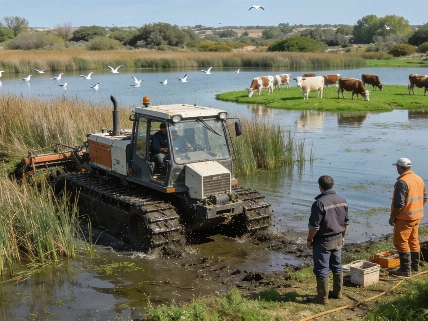
Farming still shapes Hermigua. The fields and the slow pace show it. Fewer people live here than a century ago. Even so, the village has found new life in hiking tourism and small shops. The past is close. Old churches and convents from the 1600s still stand—like Santo Domingo in Valle Alto and Nuestra Señora de la Encarnación in Valle Bajo. They remind visitors of the first settlers.
Official sources highlight that Garajonay National Park covers areas of several municipalities on La Gomera, including Hermigua, and its laurel forests are recognized as a UNESCO World Heritage site due to their ecological significance and ancient trees, some of which are up to 1,500 years old.
El Pescante stands out. This old loading dock juts into the sea. It once welcomed boats to La Gomera. Now it sits quiet. The main port moved to San Sebastián years ago. El Pescante remains as a marker of change.
Want to see local life up close? The Museo Etnográfico de Los Telares opens a window on tradition. Inside, you’ll find a restored gofio mill, old crops, a small restaurant, and places to stay. All of it sits in a striking landscape.
Hermigua’s climate is more than numbers. Geography, thick forests, and Atlantic winds shape a steady, fresh microclimate. Agulo, the next village, shares some of these traits. But Hermigua’s mix of farming, history, and wild land gives it a different feel.
Spain is known for its variety. Even so, Hermigua stands apart. Here, nature and weather work together. The comfort is real. The scenery is wild. For travelers who want more than sun and sand, Hermigua offers something rare. It quietly changes what it means to find paradise in Spain.