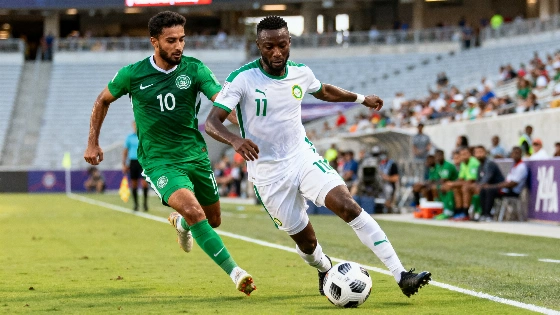
Saudi Arabia and Senegal Play Test Match Ahead of 2026 World Cup in the USA. A friendly match between Saudi Arabia and Senegal took place in San Antonio. The game was part of preparations for the 2026 World Cup. Spanish fans were left without a live broadcast.
A friendly match between the national teams of Saudi Arabia and Senegal took place at the Toyota Field stadium in San Antonio, Texas. This meeting was part of both teams' preparations for the 2026 World Cup, which will be held in North America for the first time. The match attracted interest not only from local fans but also from football supporters around the world. However, Spanish audiences faced difficulties watching it—broadcasting rights in Spain were not assigned to either free-to-air or pay TV channels.
The situation was different in Latin America and Mexico, where the match was available live on Disney+ and select ESPN channels, allowing fans to follow the game in high quality. For viewers in Spain, the only way to stay updated was through specialized online statistics platforms such as Flashscore and Sofascore, as well as sports news portals.
The coaching staffs of both teams used the match to test tactical schemes and rotate players. Saudi Arabia focused on quick transitions and disciplined defending, while Senegal relied on physical strength and individual skill. Despite the friendly status of the game, both teams played with high intensity, aiming not only to evaluate their reserves but also to gain a psychological advantage ahead of the World Cup.
Attention to detail in preparation for major tournaments has only increased in recent years. Clubs and national teams more and more often use these matches for in-depth analysis of the squad and to find unexpected solutions. This approach has recently manifested itself in Spanish football as well: Real Zaragoza announced large-scale changes in the squad and coaching staff, which is also linked to the need for renewal and adaptation to new challenges of the season.
A distinctive feature of the meeting in San Antonio was its international audience: official kick-off times were adapted for different time zones—from Spain to South American countries. For Spain, the match started at 01:00 at night, making it harder for fans to follow the game live. Such friendlies allow coaches not only to assess the readiness of starting and reserve players but also to identify weaknesses before official competitions. In situations where broadcasts aren’t always available, the role of digital platforms and mobile apps grows as key sources for real-time information about the match.
The 2026 World Cup will be the first to take place simultaneously in three countries—the USA, Canada, and Mexico. The expansion of the number of participants and the new tournament formats are expected to increase interest in preparatory matches and bring extra focus on squad details and tactics. For Spanish fans, the lack of live broadcasts for these games may prompt discussion about media rights and the accessibility of international football in the national market.