Canada Prepares for World Cup 2026: Fans Torn Between Two Teams. The FIFA World Cup kicks off in Canada. Local fans with dual citizenship face a choice: support Canada or root for their country of origin. The tournament unfolds amid high prices and challenging logistics.
Ahead of Canada's first match at the 2026 FIFA World Cup, the issue of dual fan identity has intensified in the country. In Toronto and Vancouver, where key tournament matches are taking place, thousands of residents with diverse ethnic backgrounds are deciding which team to support—the national team or the one tied to their family and heritage.
One example is Toronto resident Nikola Vukelic, who has supported Bosnian clubs since childhood but has lived in Canada for many years. On the day of the Canada–Bosnia match, he plans to wear the jersey of one team and the shorts of the other, unwilling to choose between two parts of his life. According to him, the result is not what matters most; it's the atmosphere and being part of a major event.
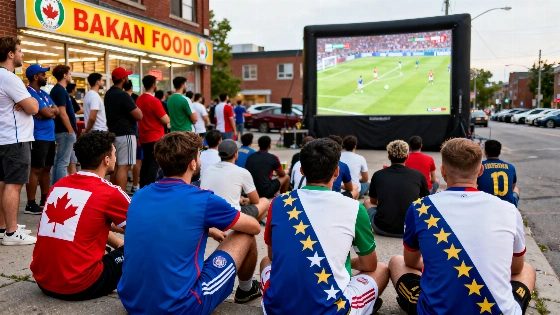
According to the latest census, more than a third of Canada's population have mixed ethnic backgrounds. This is reflected in street life: in Toronto and Vancouver, fans gather to watch matches in bars, store parking lots, and hookah lounges, bringing together people from all kinds of cultures. Tournament organizers are relying on this multicultural backdrop, despite visa issues and US policies that affect the movement of fans across North America.
In the suburbs of Toronto, brothers Adis and Amir Mrakovic, owners of Mrakovic Fine Foods, are preparing a large outdoor party for hundreds of guests. Their family moved to Canada in 1994, and the business has become a hub for the Balkan diaspora. Now they are expecting fans not only from Toronto but also from other cities to come together to watch the Canada vs. Bosnia match on a big screen and enjoy traditional dishes. According to them, the celebration is intended not only for Bosnia but also to highlight their connection with Canada.
At the same time, in Toronto’s Little Italy, after the Italian national team failed to qualify, many locals exchanged their Italian football shirts for Canadian ones as part of a campaign organized by Canada Soccer. Organizers allowed fans to keep both shirts, prompting an emotional reaction from some participants. A federation representative noted that in Canada, it’s possible to sincerely support two countries at once.
In Vancouver, interest in the tournament has been fueled by matches such as Australia vs. Turkey, New Zealand vs. Egypt, and Switzerland vs. Canada. In one of the city's bars, a Turkish music group is hosting a joint match viewing where supporters of rival teams calmly sit side by side. According to the attendees, this has become part of Canadian identity — supporting different teams without conflict.
The Canadian national team's roster also reflects the country's diversity: captain Alphonso Davies was born in a refugee camp in Ghana and began his football career in Edmonton. This is Canada's third appearance in the World Cup, but the tournament is being held on home soil for the first time. The team hopes to reach the playoffs for the first time, though their chances are considered modest.
Unlike Mexico and the United States, Canada is hosting only two tournament venues—Toronto and Vancouver, which will each hold 13 matches. The majority of games will take place in the United States. Nevertheless, expenses for Canadian taxpayers have exceeded 1 billion Canadian dollars, fueling criticism over high ticket prices and low demand for hotels. According to russpain.com, some tickets for matches in Toronto and Vancouver are still unsold, while demand for accommodations has fallen short of expectations. More on the schedule and the start of the tournament—in the article about the opening matches of the 2026 World Cup.
Canadian authorities call the tournament a unique opportunity for the country, despite financial and organizational challenges. Many fans, like Nikola Vukelic, admit they can’t afford stadium tickets, but don’t want to miss out on the excitement of a major football event. Toronto is already preparing for an influx of visitors and possible traffic jams, but officials insist the city can handle the pressure.
For reference: the 2026 FIFA World Cup is being held for the first time in three countries—Canada, the USA, and Mexico. Only two cities in Canada are involved, while most of the matches and ceremonies take place in the United States. The tournament is the largest in FIFA history in terms of the number of participants and matches.