Spain’s Interior Minister confirms an internal probe after a minor was detained during unrest at Elche-Barça. The incident, involving alleged excessive police force and flag confiscations, has sparked political and club criticism.
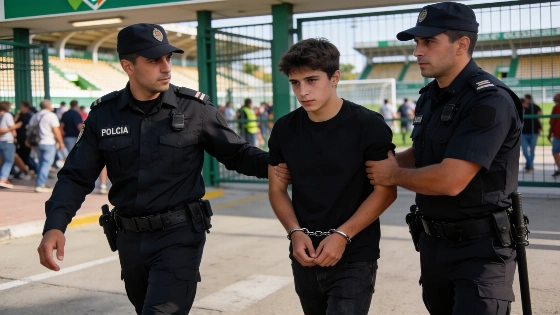
Spain’s Interior Ministry has launched an internal investigation into the conduct of riot police during disturbances outside the Martínez Valero stadium in Elche, where a 17-year-old was detained amid clashes before the Elche-Barça match. The probe, confirmed by Minister Fernando Grande-Marlaska, focuses on whether an officer from the Unidad de Intervención Policial used disproportionate force during the arrest, after videos circulated showing the minor being struck in the face while on the ground and again while handcuffed.
The incident has drawn sharp criticism from Catalan political parties, including Junts per Catalunya, Esquerra, the CUP, and Comuns, as well as from FC Barcelona itself. The club announced it is considering legal action to defend the rights and freedom of expression of its supporters, following the confiscation of estelada flags and the forceful police response. The controversy has also prompted the Catalan government to seek clarification from the central authorities, with spokesperson Silvia Paneque stating that no official order was given to seize flags, except those inciting hate.
Police union SUP has defended the officers’ actions as justified and proportionate, arguing that social media clips do not show the full context, including alleged insults and resistance from the detained minor. However, several police sources have described the officer’s conduct as excessive and anticipate disciplinary proceedings, which could range from a temporary suspension to dismissal if abuse of authority is confirmed. Any administrative process would be paused if a criminal complaint is filed and until a court ruling is issued.
According to police accounts, the unrest began when two young Barça fans, both apparently minors, shouted insults and displayed an estelada flag as officers attempted to separate rival supporters at the stadium entrance. The operational chief ordered their removal, citing incitement to hatred and threats. The situation escalated when one of the minors resisted, leading to a physical confrontation captured on video. The detained youth now faces charges of resisting arrest, disobedience, and assaulting an officer.
The political fallout has extended to the national parliament, with Junts announcing a series of questions to the Interior Ministry regarding the legal grounds for flag seizures and whether displaying esteladas is considered a punishable act. Police sources acknowledge that Spanish law does not ban flags in stadiums, but officers may remove them if they believe their display could provoke incidents. This debate echoes previous controversies over police actions at football matches, as highlighted in recent coverage of similar flag-related disputes at Elche-Barça.
Contextually, the Martínez Valero stadium has seen heightened security measures in recent years, especially during high-profile matches involving teams with politically active fan bases. The Unidad de Intervención Policial, often deployed for crowd control at major sporting events, operates under strict protocols, but incidents like this have reignited debate over the balance between public order and civil liberties. In Spain, the Ley del Deporte allows for sanctions against those inciting violence at sports venues, but the threshold for what constitutes incitement remains contested. The outcome of the current investigation may set a precedent for future policing at football events, particularly regarding the handling of political symbols and the use of force during arrests.