Pedro Sánchez's photo on Iranian missiles sparks reaction in Israel. Israel accused Iran of displaying Sánchez’s image on missiles. The move is linked to Spain’s stance on the conflict. This situation could impact Europe–Middle East relations.
Spanish society has found itself at the center of an international scandal after Israel's Ministry of Foreign Affairs reported the appearance of Pedro Sánchez’s photographs on Iranian missiles. This event is especially significant for Spain, as it is directly tied to the country's stance on the Middle East conflict and could impact Madrid’s image in the region. For the first time in a long while, an action by a European leader has prompted public gratitude from Iranian authorities, leading to mixed reactions in diplomatic circles.
According to Israel’s foreign ministry, images of the Spanish prime minister appeared on stickers placed on weaponry used against Israel. In a statement posted on social media, Israeli officials expressed concern that Sánchez’s words and actions are being used for propaganda purposes. Notably, Iranian officials reportedly thanked the Spanish prime minister for his position on the conflict by displaying his portrait and messages of support on missiles intended to strike Israeli territory.
Response and consequences
The situation escalated further after the Iranian agency Tasnim published photos of stickers featuring Sanchez's image and a message of thanks. The agency's reports emphasized that these missiles would be used against the "occupied territories." Israeli diplomats pointed out that the range of Iranian missiles covers not only the Middle East, but also a significant part of Europe, including Spain. This statement caused concern among European politicians and security experts, as it was the first time in recent years that a European country had been mentioned in such a context.
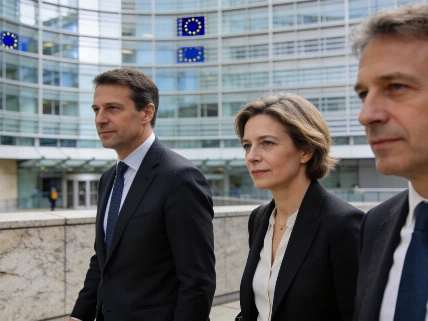
Pedro Sanchez's position on military actions in the region has repeatedly been the subject of discussion at international forums. Recently in Brussels, he again condemned the military operation launched by the US and Israel against Iran, calling it illegal and stressing that the Spanish government adheres to a principled stance. According to some analysts, this rhetoric may have led to his words and image being used in the Iranian information campaign.
Diplomatic repercussions
Spanish experts note that such actions by Iran could complicate relations between Madrid and Tehran, as well as impact Spain’s dialogue with other EU countries. At the same time, statements from Israel appear to be an attempt to draw the attention of European states to the threat posed by the Iranian armed forces. According to russpain.com, incidents like these can heighten regional tensions and prompt new diplomatic moves by the European Union.
Within Spain, the news has sparked broad public debate. There is active discussion of the possible security implications for the country and its citizens, as well as the impact on Spain’s international image. Some political groups are demanding explanations from the government and are calling for a more cautious foreign policy regarding conflicts in the Middle East.
Context and comparisons
In recent years, the use of images and statements by European leaders for propaganda purposes in the Middle East has been rare. However, there have previously been attempts to draw European countries into information campaigns related to military actions in the region. For example, in 2024, similar methods were used concerning French and German politicians, whose statements also became part of the foreign policy rhetoric of Middle Eastern states. Such episodes usually result in increased diplomatic contacts and discussions of measures to prevent conflict escalation.