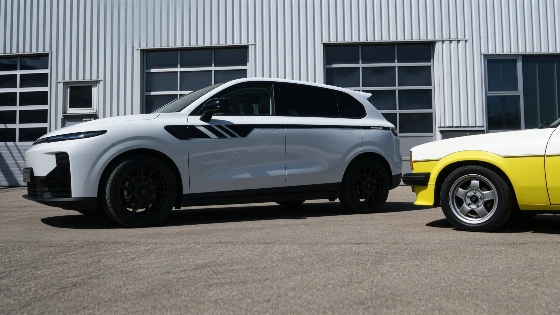
Irmscher GmbH, known among performance enthusiasts for its radical Opel upgrades, is bringing its tuning approach to the limited-edition electric Leapmotor B10 Dynamic. The project extends a history that began with the Opel Ascona i2000, the company's first full-fledged creation, sold through Opel dealerships from 1978 to 1981. Decades ago, Günther Irmscher's lead to push beyond the ordinary made the company a household name. In a workshop scented with oil and ambition, he once wiped his hands and eyed a project with a familiar mix of pride and restlessness.
The late 1970s marked a turning point. With its distinctive white and yellow livery and focus on amateur motorsport, the Ascona i2000 quickly earned its stripes. Jochi Kleint clinched the 1979 European Rally Championship behind its wheel. Under the hood, a 2.0-litre four-cylinder engine, upgraded with twin Solex carburettors and Irmscher's mechanical tweaks, delivered 121 hp. The car could sprint to 100 km/h in under ten seconds and reach 190 km/h, with a sound that was unmistakably raw and purposeful.
Irmscher's approach went beyond power. The Ascona i2000 got ventilated front disc brakes and special calipers, while aerodynamic spoilers helped it stop and corner as confidently as it accelerated. Wider tracks and firmer suspension, paired with ATS alloy wheels and 185/70 R13 tyres, made it a formidable rival on winding roads. Optional upgrades ranged from sports seats emblazoned with the Opel lightning bolt to a racing steering wheel. Buyers could also choose flared wheel arches or a more aggressive front spoiler. These features attracted around 5,000 buyers seeking genuine performance over cosmetic flair.
Evolution of a Tuning Icon
What began as a pragmatic partnership with Opel grew into a decades-long collaboration. Through the 1980s, Irmscher's signature style set its cars apart from standard models, with wider bodies and lowered stances giving them a race-inspired presence. These were street-legal machines with the soul of a racer, not factory cars in disguise. By the 1990s, customer tastes had shifted. Irmscher adapted, focusing on bespoke interiors and premium materials as part of a broader approach to personalisation. The company's expertise also expanded into development services, building its reputation in automotive customisation.
Leapmotor B10 Dynamic: Electric Power, Irmscher Spirit
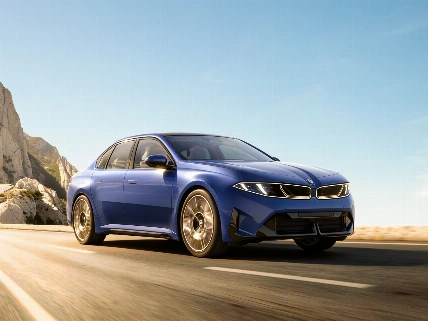
Today, Irmscher's legacy takes a new form in the Leapmotor B10 Dynamic. This limited-edition electric SUV is based on the 4.5-metre Leapmotor B10. Its basic technical package includes a rear-wheel-lead electric motor producing around 160 kW (218 hp), powered by a lithium-iron-phosphate (LFP) battery. Factory battery-electric B10 versions are listed with gross battery capacities of 56.2 kWh and 67.1 kWh, and WLTP ranges of 361 km and 434 km, respectively. The larger pack has approximately 65 kWh of usable capacity, with charging of up to 168 kW DC and 11 kW AC. The Dynamic's stated range is 430 to 570 kilometres, depending on driving conditions. Specifications vary across the model range and test bases: published 0 to 100 km/h times include 7.5 seconds for one configuration and 8.1 seconds in a separate test. The B10's 160 kW rear motor is rated at 240 Nm, with a top speed of 170 km/h.
The B10 is the first model in Leapmotor's B series, developed on the company's LEAP3.5 platform for domestic and international markets. The factory range also includes a range-extended configuration, pairing an electric lead with a 1.5-litre, four-cylinder petrol engine used as a generator. It has an 18.8 kWh battery and a reported total range of about 900 km in one market presentation. That powertrain is distinct from the battery-electric SUV used as the basis for the B10 Dynamic.
The B10 Dynamic gets more than a change in specification. Irmscher lowers the chassis by 30 millimetres and stiffens the suspension to sharpen handling and reduce body roll. Exclusive 19-inch wheels, designed in-house, are intended to improve its looks and driving dynamics. A new front spoiler and side skirts, along with a wind-tunnel-tested rear spoiler, give the B10 Dynamic a lower, wider stance. Subtle badges and design details identify it as a special edition. The interior remains largely faithful to the standard model, with additions including a unique basic card and velvet floor mats. Numbered plaques complete the changes.
Irmscher plans to produce just 500 units of the B10 Dynamic, priced at a premium of €4,000 to €6,000 over the base Leapmotor B10. For buyers, it offers a rare chance to own an electric SUV that pairs modern technology with the DNA of a performance icon. The standard B10 measures 4,515 mm long, 1,885 mm wide and 1,655 mm high, with a 2,735 mm wheelbase. Its luggage capacity ranges from 420 to 1,300 litres. The larger-battery version is listed at 1,845 kg kerb weight and has a 750 kg towing rating.
The factory B10 received a five-star Euro NCAP rating in 2025. One tested vehicle was listed with a four-year or 100,000 km warranty. For a modified vehicle, warranty terms and road-approval documentation depend on the specific vehicle and conversion arrangements. Those details matter alongside equipment and price when assessing a special edition.
This shift toward electrification and personalisation reflects broader changes in the automotive world. Competition among electric city cars is growing. A recent comparison of the Renault 5 E-Tech and Fiat 600e (how design and practicality are redefining the EV market) shows that tuning and individuality remain part of the conversation as the industry adopts new powertrains.
Irmscher's move from tuning petrol-powered Opels to crafting bespoke electric SUVs reflects a broader evolution in car culture. The company has adapted while keeping its focus on performance and character, showing how traditional automotive values can coexist with the demands of a changing market.