Jesús Calleja never set foot in a university lecture hall. Instead, he moved from hairdressing salons to mountain peaks, teaching himself the skills that would later make him a pilot and a familiar face on Spanish television. His story challenges the idea that formal education is the only path to professional success.
Jesús Calleja never followed the usual path to professional success. He skipped university altogether, yet today he is one of Spain’s best-known adventure presenters and a licensed pilot for both airplanes and helicopters. His route was unconventional, but always intentional.
Before television, Calleja’s work history was a mix of jobs rarely found on the same résumé. He started out as a hairdresser, a trade that ran in his family, and used the money he earned to fund his first trips. According to interviews in Spanish media, his parents owned a salon in León, and Calleja worked there to save for his travels. He didn’t just cut hair—he trained, traveled to Paris and Milan to improve his skills, and even opened his own salon. But hairdressing was always a way to pay for his real passion: adventure.
After completing his military service, Calleja bought his first car—a used SEAT 850—marking the start of his independent adult life.
That drive for adventure led him through a string of jobs—mechanic, car salesman, mountain guide—each chosen for its practicality, not prestige. Every job, no matter how short-term, was a chance to learn something new, save money, and get closer to his next expedition. As reported in 2026 profiles, his early career was shaped more by a need for hands-on experience and self-reliance than by academic ambition.
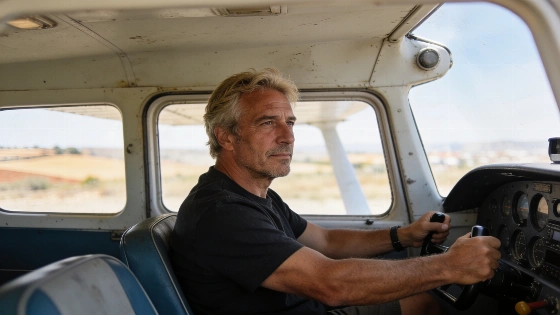
He taught himself most of what he needed. Calleja has said he put off formal studies, but he never stopped learning. He read widely—science, current events, economics—and when he needed technical knowledge to become a pilot, he studied on his own. Earning his licenses took serious preparation, which he handled independently.
By the time he moved into television, Calleja had built up a set of skills few presenters could match. In 2009, he co-founded Zanskar Producciones with journalist María Ruiz Calzado, focusing on non-fiction programs about travel, adventure, and science. The company went on to produce shows like Planeta Calleja and Volando Voy, making him a familiar face in Spanish popular culture.
According to a 2026 interview, Calleja emphasizes his deep connection to rural Spain and highlights the importance of villages for the country’s identity and future. This social context is now a key part of his public image, as noted by several Spanish publications.
Calleja doesn’t reject education, but he refuses to let the lack of a university degree set his limits. He insists that constant learning—whether through courses or self-study—is essential. His story isn’t an argument against university, but proof that other paths, if pursued with discipline and curiosity, can also lead to expertise and recognition.
Calleja’s career shows that your first job doesn’t have to decide your future. Hairdressing and car sales were steps along the way, not dead ends. Today, his work blends adventure, communication, and production—fields he once supported with the money from his earliest jobs.
For anyone who sees university as the only route to success, Calleja’s story is a reminder that determination and adaptability can open doors that formal credentials alone might not. His journey isn’t about breaking rules for the sake of it, but about building a life around the skills and interests that matter most. In a job market that values flexibility and lifelong learning, his example feels especially relevant.