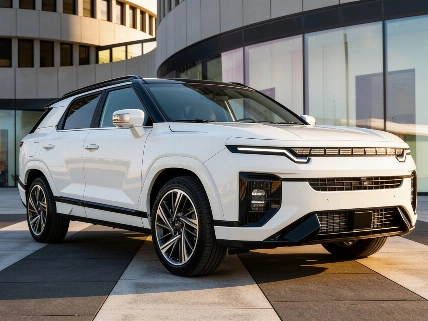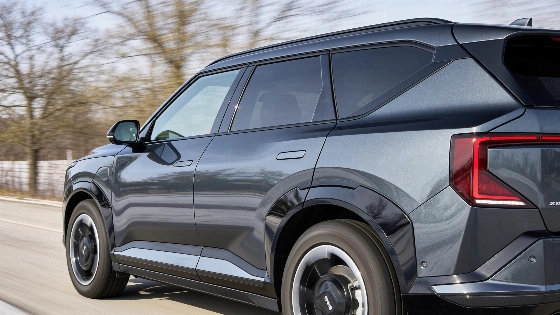
Kia’s EV5 GT-Line promises generous space and family comfort, but real-world winter testing reveals a sharp drop in range. Here’s how the new electric SUV performs when temperatures fall and what buyers should expect.
Cold weather puts the Kia EV5 GT-Line’s range claims to the test. In real driving at minus two degrees Celsius, energy use jumped to 24.8 kWh per 100 km—well above the official figure. On the highway, consumption nearly reached 30 kWh, cutting the usable range to 361 kilometers. That’s a big gap from Kia’s advertised 505 kilometers. According to the European Automobile Manufacturers Association, this kind of difference between lab-tested WLTP range and real winter results is common for electric cars, especially in northern Europe.
This shortfall isn’t just a technical detail. For families planning long trips, the winter range matters. The EV5’s 81.4 kWh battery and 218 CV motor provide quiet, steady power, but acceleration is average for an EV: 0 to 100 km/h takes 8.5 seconds. Top speed is limited to 165 km/h, which only matters on Germany’s unrestricted highways. Kia has admitted that cold weather can cut range by up to 30% in some models, which matches what independent winter tests have found.
In a recent independent test, the Kia EV5’s winter range was found to be nearly 30% lower than its official WLTP rating when driven in subzero temperatures.
Inside, the EV5 is practical. The cabin uses mostly hard plastics, but the build feels solid. The 12.3-inch central screen is sharp and easy to use. Navigation comes with seven years of map updates and can plan charging stops, which is useful. The AI voice assistant is blunt, and some controls—like the drive mode switch on the steering wheel—feel dated for a new model.
Space is the EV5’s strong suit. Both rows have plenty of legroom, and the cargo area holds 566 liters, or 1,650 liters with the rear seats folded. There’s also a 44.4-liter frunk for small items. Taller drivers might want more thigh support, but most people will find the seats comfortable for both short and long drives.
According to a recent report by Bloomberg, the European electric SUV market has seen a surge in demand for models with larger cargo space and advanced navigation features, with family buyers ranking these attributes above outright performance. Kia’s focus on practicality and interior flexibility in the EV5 reflects this broader industry trend.
Charging is competitive. The EV5 can take up to 150 kW at fast chargers, so a 10 to 80 percent charge takes about 30 minutes in good conditions. Still, cold weather is a problem for efficiency. This isn’t unique to Kia—other brands, including Tesla, have faced similar issues, as covered in our recent review of the Model 3 Basic.
If you want space, comfort, and a quiet ride, the EV5 delivers. But winter range loss is a real concern. Kia’s electric SUV works well for family travel if you’re ready to stop more often to charge in cold weather and don’t expect the official range. The EV5 stands out for practicality and comfort, but its efficiency in harsh conditions still lags behind—showing that electric cars have some way to go before they can fully replace gas-powered family vehicles in all situations.