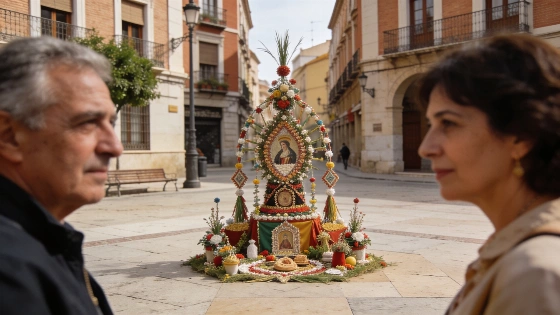
The distinction recognises La Pandorga’s roots among Ciudad Real residents and its role in promoting the traditions and cultural heritage of Castilla-La Mancha. The Ministry of Industry and Tourism granted the status through the Secretaría de Estado de Turismo, which notified the city council. The annual festival takes place on 31 July and already held regional tourist-interest status before the national application. The 2026 programme included regional dances and “toros de fuego”; it also featured an offering of flowers and produce from local vegetable gardens to the city’s patron, the Virgen del Prado.
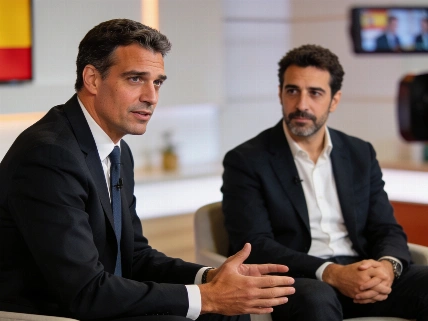
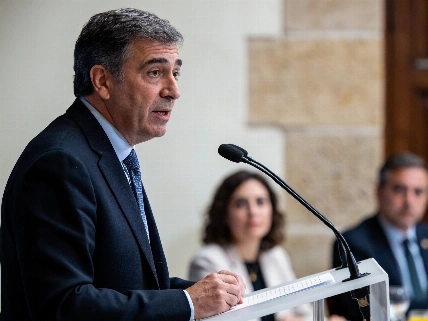
Guillermo Arroyo, spokesperson for the Ciudad Real government team, announced the decision. He credited the Hermandad de Pandorgos, along with local peñas and associations. Residents, he said, have kept the traditions alive across generations. Arroyo described the recognition as a collective achievement. The city council submitted its application to the national tourism administration during 2026, supported by a favourable report from the Castilla-La Mancha regional government. The dossier included a publicity plan and evidence of local associations’ participation. On 13 November, Mayor Francisco Cañizares also announced that the central government had confirmed its intention to declare La Pandorga a Fiesta de Interés Turístico Nacional.
He said the status could help attract more visitors and support the city’s hospitality and retail sectors. Regional broadcaster CMM describes the festival as bringing together thousands of residents and visitors each year. Miguel Ángel Valverde, president of the Diputación de Ciudad Real, said the recognition would help make the celebration better known and draw greater attention to the city and province. The council’s tourism promotion has a parallel in Segovia’s heritage showcase at Intur 2026, which featured local food and traditions.
The council has also approved the renewal of underground waste containers in La Granja and Plaza de Toros. San Antón is included as well. The project will replace at least 30 containers at 10 collection points. It is part of the PAI Ciudad Real-Impulso Capital, co-funded by the European Union through the European Regional Development Fund under Spain’s 2021-2027 Multi-regional Programme and the Plan EDIL.
The replacement infrastructure is intended to improve safety and accessibility. The new containers are also designed to be more durable. Separately, the council approved its proposed accession to an agreement between the central and regional governments on basic digital-administration services. Arroyo said the arrangement would allow secure information exchange between administrations and reduce bureaucratic procedures.
The council also gave final approval to a call for grants supporting the reconciliation of personal and family life with work. The total allocation is €28,000 for 101 families in the city.