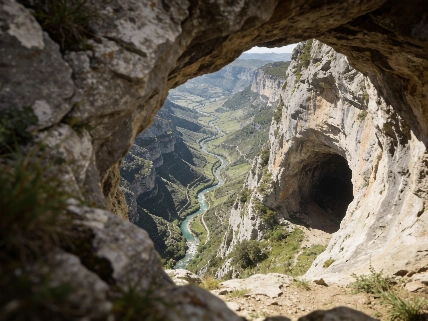
The Camino de Madrid enters Segovia over the Puerto de la Fuenfría in the Sierra de Guadarrama. It crosses the province from south to north-west, then continues into Valladolid province towards Sahagún, where it joins the Camino Francés.
The route featured at Intur 2026 in Valladolid, where the Diputación de Segovia presented tourism options ahead of the 2027 Año Jacobeo. The 29th Feria Internacional de Turismo de Interior ran from 12 to 15 November. Its public programme took place from 13 to 15 November, with a professional day on 12 November. The Junta de Castilla y León said the fair brought together 127 stands representing more than 1,000 destinations from Spain and Portugal across 11,000 square metres. Around 70 tourism operators took part in the commercial programme. The provincial authority said thousands of people visited the fair, and that its stand drew interest from visitors and tourism professionals. It expects the Jacobean year to bring more people to the province.
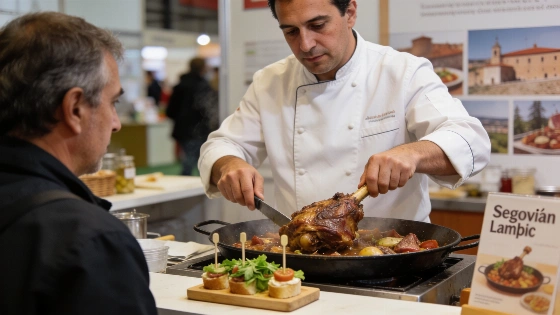
Food took centre stage at the stand. Tourism deputy Javier Figueredo presented “El menú degustación de la provincia de Segovia” on 13 November, using a circular composition of 12 pieces to represent resources from the province’s four comarcas. Figueredo said the Diputación used six live cooking demonstrations to present recipes and products from across Segovia, including frutos rojos and asado lechal. Handmade pastries and local cured meats also featured. The presentation paired gastronomy with the province’s natural and historic attractions, as well as its sporting and cultural offerings.
The programme also featured examples of intangible heritage, including El Diablillo Rojo and the Carnaval de Grado de Pico. Las Vaquillas was another tradition on show. Other examples included the Castillo de fuegos artificiales de Coca and the jota del Niño de la Bola de Cuéllar. The Festival Femuka de El Espinar and the Romería de Nuestra Señora de Hontanares de Riaza were also presented. The Diputación promotes this heritage through the Instituto de la Cultura Tradicional Manuel González Herrero and its Manifestaciones Tradicionales de Interés Cultural Provincial. Two craft workshops rounded out the programme: stonemason Juan Emilio Cristóbal Martín of Sepúlveda demonstrated stonework, while the Coca-based workshop Ikigai presented artisan jewellery. The focus on music and local identity has a parallel in Estopa's community memories, though the Segovia programme centred on the province's own traditions.
Invited municipalities presented their cultural and historic attractions, alongside their natural offerings and tastings of local products. Segovia’s 150-square-metre provincial stand was shared with Ayllón, Coca and Cuéllar. El Espinar, Riaza and Sepúlveda also took part. Figueredo described the province as a national and international reference for inland tourism. The Diputación also used the fair to meet tour operators and companies about potential joint projects.