More than 150 neuromuscular conditions affect around 60,000 people in Spain, according to ASEM. Many are genetic and progressive, and together they account for 20% of all rare diseases.
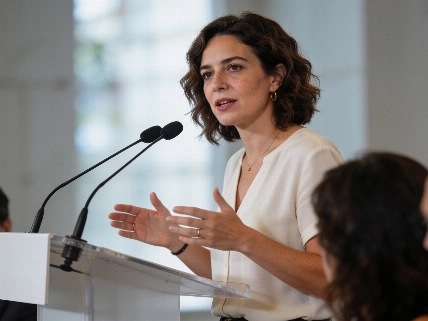
On Spain’s national day for neuromuscular diseases, 15 November, the federation’s director Begoña Martín Bielsa is calling for rehabilitation to be available continuously and tailored to each patient. She says it remains the main unmet need for people living with these conditions.
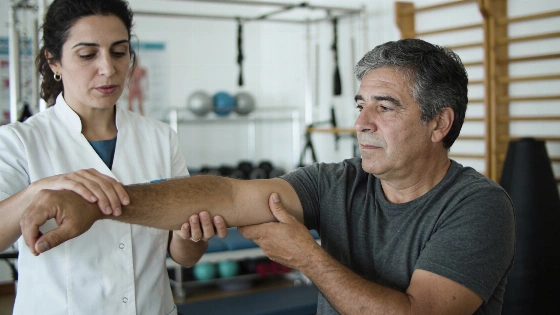
Rehabilitation covers physiotherapy. Martín also cited speech therapy and occupational therapy in an interview. She said services are sometimes withheld because the diseases are degenerative and rehabilitation is treated as a way to recover. In her view, it can also help people maintain their functions and quality of life.
ASEM brings together 37 member organisations, including groups focused on a single condition. Its XXXV Congreso Nacional de Enfermedades Neuromusculares brought together more than 200 people, including healthcare professionals and those affected by the diseases, alongside organisations. Rehabilitation access was also a central issue in coverage of the congress.
Martín said patients often have to pay for rehabilitation themselves or seek it through an association. Even association-based care can remain unaffordable for some. She also called for multidisciplinary units and more integrated care. Differences between autonomous communities, she said, contribute to unequal access.
In discussing treatments, Martín noted that only 5% of rare diseases have a specific treatment, and that available medicines often slow a condition rather than cure it. She cited givinostat for Duchenne muscular dystrophy and advances in spinal muscular atrophy (AME). Access can take months as medicines pass through European Medicines Agency approval, followed by price-setting and funding procedures, she said.
ASEM does not fund research because it represents many different conditions, Martín said. Instead, it organises scientific events. It also shares information and helps recruit patients for clinical trials, where rare-disease studies can struggle to find enough participants.