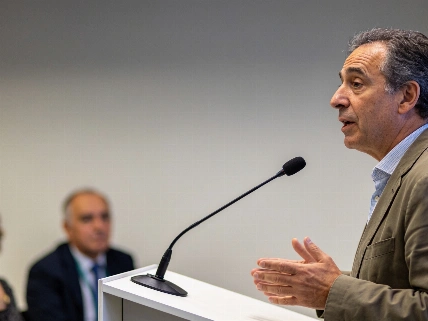
A warning from Gonzalo Bernardos highlights the risk of landlords pulling their properties from the rental market. If owners act, people looking for a home could face even tougher odds, revealing how fragile Spain’s housing balance has become.
Economist Gonzalo Bernardos has warned that a short-term freeze by landlords in Spain could deepen the rental squeeze, leaving renters with fewer homes to choose from. If owners stop renting out their properties, people whose leases expire could struggle to find another home.
Bernardos took to X to make his point, dismissing tenant-led rent strikes as mostly symbolic. The real power, he argued, lies with property owners. "The rental strike that truly has social impact is not that of the Asociación de Inquilinas, but that of the landlords," he wrote. He asked what might happen if landlords held back their flats, even briefly. Couples with expiring leases could end up back at their parents’ homes, while people searching for a place might spend months looking. "It would be the first silent strike without demonstrations but with major repercussions," Bernardos said.
The idea turns the usual script around. Tenant groups have called for rent boycotts, but Bernardos warns that landlords could refuse to rent, further shrinking supply. The effect could be immediate: fewer homes and more desperate renters. Spain’s social housing stock stands at about 3% of total housing supply, far below the OECD and European averages, information from the OECD.
The numbers show how hard it is to find a place. The 2025 Living Conditions Survey’s housing access module found that 7.6% of Spaniards aged 16 and up tried to move but failed. Of those, 67.2% blamed high prices. The National Statistics Institute found that 44.3% of people aged 26 to 34 still lived with at least one parent in 2025. Among them, 34.6% said they could not afford rent, while another 12.7% could not buy a home.
The Bank of Spain has tracked the squeeze since 2015. Demand for rentals keeps rising, especially in big cities, while supply cannot keep up. If landlords pull more homes off the market, prices and competition could worsen. Not every expiring lease means someone gets kicked out; sometimes contracts are extended. But the pressure is real: the Bank of Spain puts the supply gap at about 550,000 homes. The shortfall stems partly from more people moving to cities. Tourist rentals have also grown, and foreign investment has increased. Over the past decade, average rental prices in Spain have nearly doubled, while asking prices for homes for sale have risen by about 90%, information from Idealista, citing AFP and Reuters. The rise has intensified the affordability crisis for renters and prospective buyers.
Clashes between owners’ finances and tenants’ needs are not new. A recent report showed how both sides struggle to make the numbers work.
Bernardos is warning about the power imbalance in Spain’s housing market, not making a prediction. With so few rental homes available, even a short landlord freeze could send young adults back to their childhood bedrooms. High costs and limited options leave a generation stuck at home, reflecting a market under strain. If leaders ignore the shortage, Bernardos’ "silent strike" could move from theory to reality.