Urbagestión will clear less than €200 a month after costs from a Retiro apartment now rented to Maricarmen for €500. The mortgage alone is more than double the rent, laying bare the financial squeeze behind a case that has drawn public scrutiny.
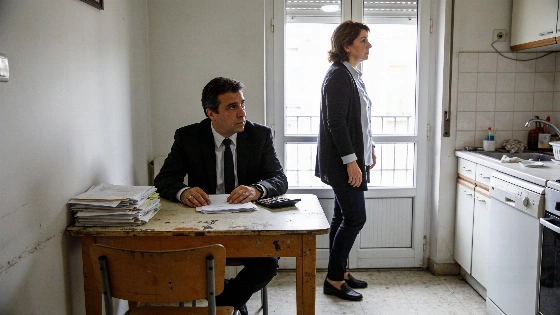
Urbagestión is stuck with a Madrid apartment that costs them more than it brings in. The mortgage payment is over twice the rent. Each month, they collect €500 in social rent, a figure set with the Empresa Municipal de la Vivienda de Madrid (EMVS) present. That barely dents the bills. After community fees and property tax, the owners say they pocket about €180.
Fernando and Ricardo Alonso run Urbagestión. For them, this deal is a money-loser. They call it “antieconómica.” The numbers have never worked. When they bought the flat, banks covered 60% with a mortgage. The company put up the other 40%. Eight years later, the mortgage still hangs over them. The rent for Maricarmen Abascal’s return doesn’t come close to covering it.
The new lease agreement for Maricarmen is set for eight years, with rent capped at 30% of her net income, as confirmed by multiple independent sources.
This story isn’t just about money lost. The owners say Maricarmen once had the chance to buy the apartment herself. She could have matched Urbagestión’s price—€247,000 plus taxes—using her right of first refusal from an old rent-controlled contract. She let the 30-day window pass. Now she’s back, but only as a tenant. Her new contract restores her legal rights, but Urbagestión is left with a property that bleeds cash every month.
Some have accused Urbagestión of grabbing the flat on the cheap and waiting for a payday. The Alonsos push back. They say any gain is just on paper until a sale happens. Property values have risen across Madrid, not just here. “Without a sale, there is no benefit,” they say. Their company owns only two properties: this flat and a small commercial space. “We are not investors. We live off our reputation in the service sector.”
The owners say the financial pain is real. They also mention media pressure and boycotts. Still, they have no plans to sell. They bought the apartment while advising the company that purchased the building. It wasn’t a speculative move. The new deal gives Maricarmen a valid lease again. The Supreme Court had ruled she lost that right in 2007. Urbagestión, meanwhile, is left with a mortgage that swallows up more than the rent brings in.
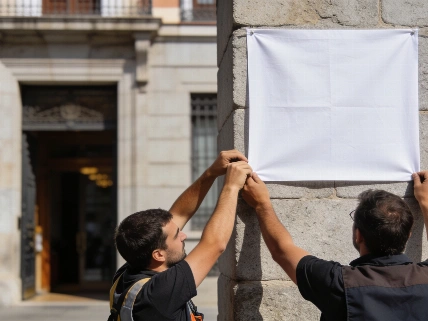
The agreement allowing Maricarmen to return was reached after mediation by EMVS Madrid, following public protests and a tent camp on Sol square. According to reports from ABC and DW, the deal was finalized only after initial proposals from Urbagestión were rejected by city authorities as unworkable, prompting the municipality to step in and facilitate negotiations.
This case lays bare the tough math behind Madrid’s housing fights. Social rent rules can leave private owners deep in the red. The same pattern shows up elsewhere in Spain, as reported earlier, where rules, ownership, and affordability keep clashing.
No one walks away a winner. Maricarmen gets her home back, but not the deed. Urbagestión keeps a flat that drains their bank account. The city’s push for social balance comes at a real cost for private owners. The numbers don’t lie. In Madrid, housing policy often means someone loses. The real price shows up in monthly bank statements. That’s the bottom line.