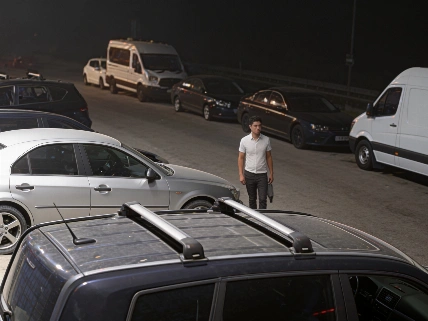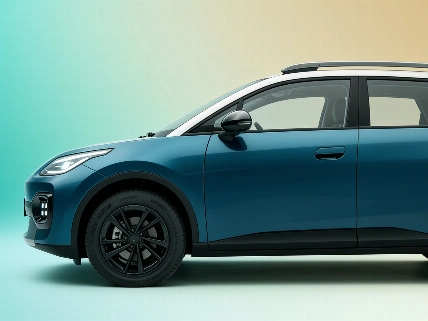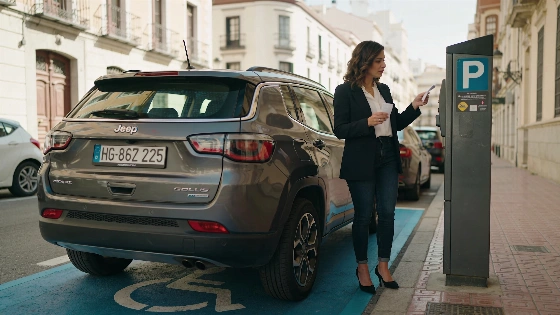
Madrid’s crackdown on polluting cars has made owning a vehicle a costly gamble. With fines, parking fees, and shifting rules, driving in the capital is nothing like it was before.
In just six months, Madrid drivers have racked up more than half a million fines. The city has pulled in over 100 million euros since the low emission zone moratorium ended. Starting January 2026, any car without an environmental badge is banned from city streets. The penalties are steep and hit right away. Leading Spanish automotive outlets say the fine for entering a controlled emission zone without the right badge is usually 200 euros, or 100 euros if you pay quickly. Cameras at entry points catch violators. The city has already collected millions in penalties since the rules got tougher.
Owning a car in Madrid is no longer just about the sticker price or a monthly payment. Strict emission rules, regulated parking, and the constant risk of fines have forced people to rethink what it means to own a car. The old question—rent or buy—now comes with a catch: will your car even be allowed in the city in three years? The M-40 and M-50 ring roads still let you drive without an environmental sticker, but as soon as you exit onto city streets inside the low emission zone (ZBE), you’re under automatic fine control. This has been confirmed by recent reports from Autopista and Infobae.
Madrid is currently considering extending paid parking (SER) to Saturdays after 15:00, as well as to Sundays and holidays in high-demand areas, but this change is not automatic and requires approval from local districts and the transport department.
The real price of driving
Most people still look at the upfront cost or the monthly loan, but that misses the real financial hit. In Madrid, the total cost of owning a car comes down to five things: depreciation, financing, insurance, taxes, and the city’s regulated parking (SER). Depreciation alone can wipe out a third of a car’s value in three years. Insurance in Madrid is among the highest in Spain because of heavy traffic and lots of minor accidents.
Taxes add more pain. The city’s annual vehicle tax (IVTM) runs from 20 to 224 euros, depending on engine size. The registration tax can reach 14.75% for high-emission models. Parking is a daily struggle. Blue zone rates can go over 2 euros an hour during peak times. The risk of fines for entering restricted areas is always there. City officials say the plan to expand paid parking hours is not a new penalty, just a longer payment window. Residents keep their privileges, but visitors and out-of-district cars take the hit. The city hasn’t published the exact new rates yet.
Four ways to get a car
There are four main ways to get a car in Madrid now. Buying outright means you take on all the risks—depreciation, repairs, and rule changes. Classic financing spreads out payments, but you still pay insurance, maintenance, and taxes on top. Leasing (balloon financing) gives you lower monthly payments, but you face a big final fee, often over 17,000 euros, and you don’t really own the car. Renting for individuals wraps almost everything—financing, insurance, maintenance, taxes, and roadside help—into one fixed payment. You don’t need a down payment, just a refundable deposit.
The legal status of mass fines for low emission zone (ZBE) violations remains controversial in Madrid, with over 3.5 million fines potentially subject to appeal as possibly unlawful. This ongoing legal debate highlights why enforcement and camera-based penalties are a sensitive and contested issue in the city.
Depreciation and the Madrid effect
Depreciation is still the biggest cost, but Madrid’s rules have changed the game. A small or mid-size SUV loses about 11,000 euros in value over three years for a private owner. Renting companies can cut that loss to 7,500 euros because they get better resale prices. But the real Madrid effect is about the rules. Cars with only a B or C badge face more and more limits, especially downtown. Their resale value is dropping fast. Renting shifts this risk to the company. Drivers can upgrade every 12 to 36 months and avoid getting stuck with a car that’s out of date or banned by new emission labels.
Crunching the numbers
REVEL ran the numbers. For a premium compact SUV over 36 months with a 5,000 euro down payment, renting costs about 420 euros a month. That’s less than the 492 euros for classic financing or 461 euros for balloon deals, once you add insurance, maintenance, and taxes. In Madrid, drivers with ECO or Zero Emissions cars can also save on parking. Many SER spaces offer discounts or exemptions, while polluting cars pay more during high pollution days.
If you stretch to 60 months, the gap between renting and balloon financing gets smaller. But unless you put down a huge deposit and pick a car that barely loses value, renting is still the cheapest way—especially when you count the peace of mind from not worrying about new rules.
REVEL’s deal with Telpark, announced in July 2026, now lets customers use over 170 Telpark garages in Spain and Portugal for a flat monthly fee, including express entry. This folds parking costs into the fixed monthly payment, taking away another unpredictable expense for drivers in Madrid and other big cities.
Why renting is gaining ground
Three things make renting more popular. First, it turns surprise costs—like breakdowns or fines for emission zone violations—into a steady monthly bill. Second, renting doesn’t count as debt in Spain’s credit registry (CIRBE), so it won’t hurt your chances of getting a mortgage. That matters in Madrid’s tough housing market. Third, it guarantees you can keep driving in the city as rules change, since you can swap cars as needed.
The numbers show this shift is real. The Asociación Española de Renting de Vehículos (AER) says Spain’s renting fleet passed one million vehicles by the end of 2025, up nearly 7% from the year before. New registrations hit 254,963 by August 2026, a jump of almost 11%, beating the general market’s 6.6% growth. Renting now makes up more than a quarter of all new car registrations in Spain. Madrid, Barcelona, Valencia, and Sevilla lead the way, especially in wealthy suburbs like Pozuelo de Alarcón, Las Rozas, and Alcobendas.
As José-Martín Castro Acebes, president of AER, put it, "the renting sector continues to grow faster than the overall automotive market, reaching a 26.27% share and driving fleet renewal." REVEL’s VP of Marketing & Brand, José Luis Sánchez Naveso, adds, "people no longer want surprises with their car. We replace depreciation, interest, and the unexpected with a fixed fee and no small print."
Behind the numbers
For drivers like María T., the appeal is personal. Her Trustpilot review says it all: "Delighted with the renting I did. Everything was explained clearly, the car was delivered on time, and customer service was always quick. Definitely the best company if you’re thinking of getting a renting."
Madrid’s crackdown on polluting cars isn’t unique. As reported earlier, Spain’s patchwork of emission rules has left drivers scrambling, with each city setting its own pace and penalties. Sector analyses show that low emission zones (ZBE) are now a nationwide policy in Spain, affecting all cities with more than 50,000 people. This has pushed up costs and risks for car owners across the country.
For Madrid residents, the question isn’t just which car to buy. It’s how to avoid being locked out of the city—or trapped in a financial mess. The numbers make it clear: renting is no longer a niche choice. It’s the go-to option for people who want certainty in a city where the rules can change overnight. Anyone weighing the real cost of driving in Madrid can’t afford to ignore the impact of regulation, parking, and depreciation.