More than twenty cultural figures have pulled out of Madrid’s Festival de las Ideas, protesting Allianz’s financial ties to Israel. Organizers now face mounting pressure to address the controversy.
Madrid’s Festival de las Ideas is in turmoil after over twenty prominent cultural figures, including director Rodrigo Sorogoyen and writer Alana S. Portero, announced they would not take part. Their decision targets the festival’s main sponsor, Allianz, over its financial links to Israel. With the event set for September, organizers are now forced to reconsider how to move forward.
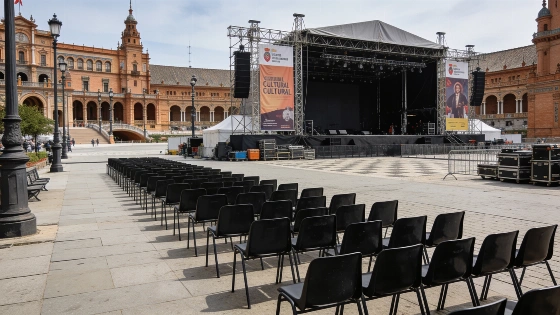
According to EFE, the boycott is tied to Allianz’s role as a financier of Israeli government debt. The festival’s organizers, La Fábrica and Círculo de Bellas Artes, are under growing pressure as the event approaches. The program lists a major Allianz-branded stage at Plaza de España, making the sponsor’s presence hard to miss at this free, open-air festival in central Madrid.
"Among the festival's announced guests are internationally renowned figures such as Zadie Smith, Paul B. Preciado, Lydia Cacho, Brenda Navarro, and Susan Stokes, highlighting the global stature of the event."
— EFE
The boycott centers on Allianz’s position as the world’s largest buyer of Israeli government bonds. The signatories—a group of writers, philosophers, artists, and media personalities including Inés Hernand, Nerea Pérez de las Heras, Laila Yousef Sandoval, Paul B. Preciado, Rodrigo Cuevas, and El Niño de Elche—argue that accepting Allianz’s sponsorship amounts to complicity in human rights abuses against Palestinians. They cite a 2025 United Nations report by Francesca Albanese, which named Allianz for tripling its investments in Israeli bonds. The report criticized companies for supporting the economy of occupation and war, and specifically listed Allianz among those with financial ties to Israeli military and occupation structures.
The group’s statement is clear: they will not return to the festival unless Allianz withdraws its support, not just this year but in the future as well. They describe their move as an act of solidarity with Palestinians and a rejection of what they call cultural or corporate complicity in the destruction of Palestinian society. The festival, which planned to focus on the human body as its main theme, now finds itself caught in a political and ethical dispute.
Organizers say they are looking for a way to keep the festival as a space for public debate, but have not yet taken an official stance on the Allianz issue. Main venues like Plaza de España and the Círculo de Bellas Artes were set to host international guests such as Zadie Smith, Sami Timimi, and Edouard Louis, with dedicated spaces like the Escenario Allianz and Espacio Allianz for debates and wellness sessions. The festival’s website lists specific talks with international authors and philosophers on the Allianz stage, underlining how closely the sponsor is tied to the event’s public program.
"The boycott comes amid a broader international context: on 8 September 2026, eleven European countries and Canada announced plans to restrict or ban products from Israeli settlements in the West Bank, reflecting growing official pressure on companies with ties to Israel."
— Independent media reports
This is not the first time a Spanish cultural event has been disrupted by political or ethical disputes. A recent cancellation of an art show in Valladolid shows how questions of sponsorship, censorship, and political alignment continue to shape Spain’s cultural scene.
The current standoff highlights that cultural platforms are rarely neutral. When a festival relies on funding from a company accused of enabling state violence, claims of openness are called into question. The organizers’ response will show whether the Festival de las Ideas is willing to put ethical concerns ahead of corporate sponsorship. With public scrutiny of sponsors only increasing, avoiding the issue could damage the festival’s credibility.