Madrid's forest firefighters end a year-long strike with a 20% pay increase and full-year contracts. Yet, dozens remain on strike as the regional government refuses talks. The dispute exposes deep management rifts.
Madrid's forest firefighters have won a major change in their working conditions: more than 450 workers will now get a 20% pay increase and permanent contracts, ending over a year of strikes. The deal, reached with the public company Tragsa, is a rare win for essential public sector workers in Spain, though it leaves a significant group still outside the agreement. According to El Mundo, the agreement was signed on September 3, 2026, ending a strike that began in July 2025 and had stalled much of the region's wildfire prevention work.
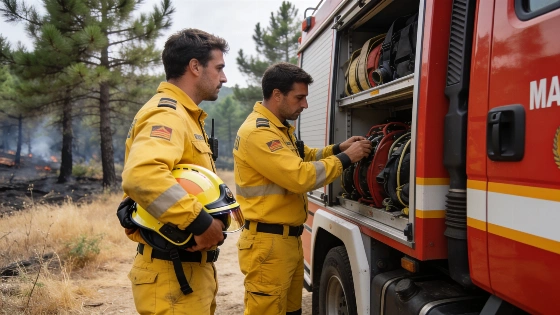
For these firefighters, the agreement is about more than just pay. Until now, most were classified as "peones forestales" and worked only four months a year, relying on unemployment benefits the rest of the time. The new deal recognizes them as full forest firefighters and guarantees year-round jobs—a long-overdue fix for a system that left prevention work unfinished for most of the year. The salary package adds two new bonuses, improving pay and better reflecting the risks of the job, according to union representatives quoted in El Mundo.
The agreement introduces 12-month contracts for all Tragsa-employed firefighters, ending the previous system of seasonal employment limited to the fire season.
But not everyone is included. Sixty-one forest firefighters, who are directly employed by the Community of Madrid rather than Tragsa, remain on indefinite strike. They want the same things: higher pay, permanent contracts, and recognition of hazardous working conditions. The regional government has refused to negotiate, leaving these workers without a deal and more than half their positions vacant. Their spokesperson says the standoff continues as officials ignore calls for talks. El País reports this group has been protesting for over 800 days without any formal meetings with the regional administration, showing how deep the deadlock runs.
The conflict began in July 2025, when Tragsa’s firefighters went on strike after months of failed negotiations. The union Firet, represented by Javi Matinsa, points to years of underemployment and legal misclassification. Matinsa calls the agreement a collective win, but says issues like compensation for toxic exposure and seniority still need to be resolved. He also argues the regional government should take direct control of the service, saying Tragsa’s central government oversight leads to budget problems and poor communication. According to El Mundo, unions CGT, UGT, and FIRET are still pushing for recognition of the profession and better working conditions, especially regarding toxic exposure and seniority rights.
Madrid’s approach is different from other recent labor disputes in Spain, where authorities have sometimes responded with mass firings or legal threats. In Ceuta, for example, reported earlier, public pressure has led to government action on border security. In Madrid, though, the administration’s refusal to talk to its own firefighters has led to a prolonged standoff.
On August 28, 2026, forest firefighters staged another protest at Puerta del Sol in Madrid, following a major wildfire in Sierra Oeste that burned over 27,000 hectares. This event reignited public debate about the region's preparedness and the urgency of resolving labor disputes.
The new agreement with Tragsa brings immediate improvements for hundreds of workers and strengthens Madrid’s wildfire prevention efforts. But leaving dozens of colleagues out highlights a fragmented system. The government’s refusal to negotiate with all affected staff hurts morale and risks leaving gaps in a region where fire is a constant threat. This episode shows that progress is possible when workers organize and persist, but piecemeal fixes and bureaucratic disputes still leave essential services exposed. Madrid’s leaders have bought themselves time, but the core management problems remain—and the next crisis could find the region just as unprepared.