The Madrid regional government will put a 485m² penthouse back on the market. The property, bought for office use, lacked the required license. Isabel Díaz Ayuso has faced repeated scrutiny over official housing.
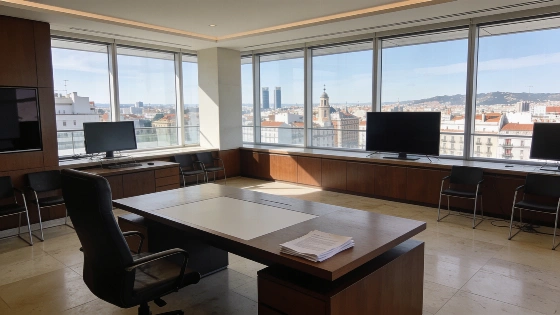
The regional government of Madrid, led by Isabel Díaz Ayuso, is preparing to sell a 485-square-meter penthouse just three months after its purchase. The property, initially acquired to serve as “offices,” was found to lack the necessary license for such use, prompting the administration to reverse course. The decision comes after EL PAÍS reported on the acquisition and highlighted the absence of proper authorization, forcing officials to address the issue publicly.
This is not the first time Ayuso has faced controversy over the use of official or private residences. Since entering politics alongside Pablo Casado in 2011, she has repeatedly been called to explain irregularities or questionable decisions involving various properties. The latest incident adds to a series of episodes that have marked her political trajectory, each raising questions about transparency and compliance with regulations.
According to EL PAÍS, the penthouse was purchased by the Madrid government with the stated intention of converting it into office space. However, the lack of an appropriate license quickly became a focal point for criticism. The administration’s response has been to put the property back on the market, a move that underscores the sensitivity surrounding public asset management in the region.
Ayuso’s handling of official residences has drawn attention in the past, with at least five separate occasions requiring public explanations for alleged irregularities. These incidents have ranged from the use of hotels during the pandemic to questions about the suitability and legality of other government-linked properties. The recurring nature of these controversies has kept the issue in the public eye and fueled ongoing debate about standards for public officials.
The scrutiny of Ayuso’s property decisions comes at a time when the management of public resources is under heightened observation across Spain. Recent political developments, such as the urgent hearings in Madrid over the Ceuta migration crisis, have further intensified the focus on government accountability. For example, the government’s response to the Ceuta situation, which included summoning four ministers to Congress, was detailed in a recent report on urgent parliamentary hearings in Madrid.
In the context of Madrid’s real estate market, the episode highlights the challenges regional authorities face in balancing administrative needs with regulatory compliance. The penthouse case serves as a reminder of the importance of due diligence in public acquisitions and the potential reputational risks when procedures are not strictly followed. As the property returns to the market, attention will remain on how the government manages similar situations in the future and whether further reforms are needed to prevent comparable disputes.
For residents and observers, the controversy illustrates the intersection of politics, real estate, and public trust in Spain’s capital. The outcome of the sale and the government’s next steps may influence broader discussions about transparency and the use of public funds in the region.