The Madrid regional government will put a €6.3 million penthouse up for sale. The property, bought by a public company, cannot be used as planned. Officials insist the funds will aid wildfire recovery.
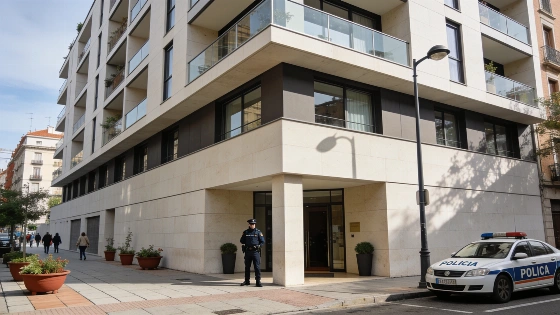
The Madrid regional government has confirmed it will sell the €6.3 million penthouse acquired by the public company Planifica Madrid, after it emerged the property cannot be used as a temporary office for President Isabel Díaz Ayuso during renovations. The purchase, which was not initially disclosed, has drawn sharp criticism over transparency and the use of public funds.
Responsibility for explaining the transaction now falls to Miguel Ángel García Martín, the regional Minister of the Presidency and a close ally of Ayuso. García Martín has maintained the official line, stating that the penthouse was bought to serve the needs of the Community of Madrid, but since it cannot be used as intended, it will be sold and the proceeds directed to rebuilding villages in the Sierra Oeste affected by recent wildfires. He emphasized that this process may not be as quick or simple as suggested, but insisted the government has acted transparently from the start.
During a press conference in Robledo de Chavela, one of the towns hit by summer fires, García Martín defended the actions of Planifica Madrid, noting that the company has previously bought and sold properties for public use. He dismissed the controversy as politically motivated, arguing that critics are searching for problems where none exist. He also shifted attention to the national government, criticizing Prime Minister Pedro Sánchez for his actions during recent crises, and accused opposition parties of prolonging the issue to distract from their own challenges.
The government’s handling of the penthouse purchase has raised questions about decision-making and oversight in public acquisitions. Last week, Ayuso offered limited explanations, but key details remain unclear, including who authorized the purchase, what alternatives were considered, and whether the stated purpose was the real motive. Calls for the release of the acquisition report continue, as transparency advocates demand more information on the process.
This episode comes amid heightened scrutiny of public spending and governance in Spain. The debate over the penthouse echoes broader concerns about accountability, especially as regions face mounting costs from natural disasters. The government’s pledge to use the sale proceeds for wildfire recovery highlights the ongoing impact of this summer’s fires, which devastated several communities in the Sierra Oeste. For context, recent discussions about regional policy and public sector management have also focused on proposals to shield key sectors from political shifts, as seen in the push for stable expert teams in Catalonia’s education system—an initiative detailed in this recent report.
As the sale of the penthouse moves forward, attention will remain on how the funds are allocated and whether the process restores public trust. The case underscores the challenges regional governments face in balancing urgent needs, transparency, and responsible management of public assets.