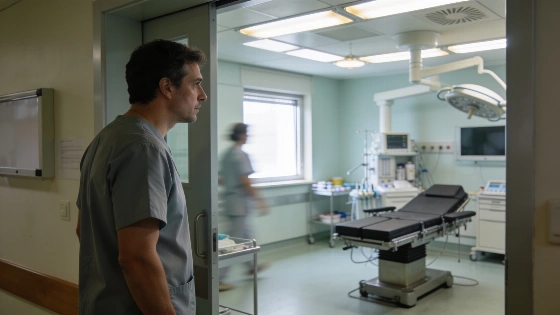
The dispute at Madrid's Hospital Ramón y Cajal goes beyond patient numbers. It raises a harder question: are limited healthcare resources being used well?
Two surgical teams can have the same staff, time and resources yet produce different results. One may face fewer cancellations and use operating rooms more effectively. That gap sits at the heart of the dispute at Madrid's Hospital Ramón y Cajal.
Waiting lists show how many people are waiting and how long the delay lasts. They do not explain where hospital capacity is lost. A focus on priorities, record changes or one performance measure can turn healthcare management into a contest over figures.
According to reports, 57 patients at Ramón y Cajal were moved from the preferente category to normal, a change that can extend the reference waiting period for surgery from 90 to 180 days.
The test is simple.
What happens inside the hospital matters more than the number on a list. A team that delivers better results and fewer cancellations may still receive a heavier workload for the same price.
That setup gives teams little reason to improve. If greater efficiency only means more work without recognition, the system punishes the people who organise care well. The goal should not be more operations by themselves. It should be better outcomes, safe treatment and smarter use of existing resources.
The hospital’s 14 surgical service and unit heads said that assigning priority is an exclusively medical decision. They argued that severity, the risk of deterioration and each patient’s needs can justify reviewing a priority when the clinical situation changes.
Audits need to follow the whole process. Totals for operations, appointments and patients waiting show only part of the picture. They do not reveal the obstacles that waste time, cause cancellations or stop another patient from receiving care.
Hospital staff often know where those problems are. People who work in operating theatres, consultation rooms and wards can identify changes that could be made at once. Their experience may expose waste that does not appear in a contract, activity report or waiting-list measure.
A serious audit should ask those workers what they would change tomorrow if they had the authority to act. The answer may point to problems that the figures miss.
This issue reaches beyond healthcare. A previous housing analysis also shows why headline totals must be read alongside the process behind them. In a hospital, the cost is direct. When time is wasted, another patient keeps waiting.
The dispute has also become a legal and political matter. According to EFE, the opposition party Más Madrid filed a complaint with the Madrid prosecutor's office over possible offences including prevaricación and falsedad documental. The allegations concern whether changes to patient priorities were clinically justified or could have been used to improve waiting-list and performance figures. They remain allegations, not established findings.
That makes the Ramón y Cajal case a management test, not only a dispute about figures. Waiting lists still need to be measured. The harder question is whether those measures connect to quality, safety and the use of hospital capacity.
Spanish media have reported that an internal review is under way at the hospital and across the Madrid health system. Protests have also taken place outside the institution.
The review must establish what happened to the 57 records. It must also show whether the decisions had documented clinical reasoning. As elDiario.es reported, the dispute points to a conflict between formal waiting-time measures and the day-to-day management of operating capacity.