Madrid’s plan to run Metro Line 6 nonstop on weekends faces a hard stop. Workers reject the proposal, citing lack of agreement and feasibility. The project’s future now depends on automation and union negotiations.
The Madrid regional government’s plan to keep Metro Line 6 open all weekend has stalled. Metro de Madrid workers have rejected the proposal outright, leaving the project at a standstill. Union leaders say there was no prior agreement or even consultation before the announcement, and without their support, the trains won’t run overnight.
President Isabel Díaz Ayuso presented the nonstop service as a major upgrade for the city, promising safer nights and better access for nightlife. But the rollout skipped a key step: talking to the people who would have to make it happen. The workers’ committee called the plan unworkable and unsustainable without their involvement.
After automation, trains on Line 6 are expected to run at intervals as short as two minutes during peak times.
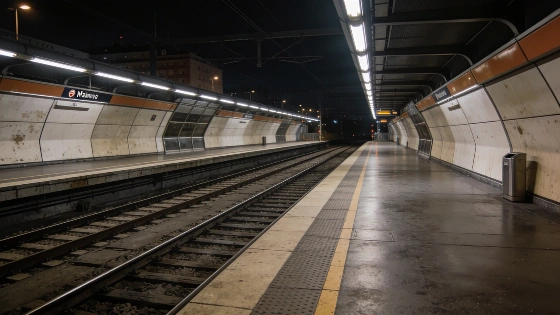
Line 6, the Circular, is a central piece of Madrid’s metro system. It connects ten lines, five major transport hubs, and the city’s main bus and commuter rail stations. With more than 116 million passengers a year and 430,000 daily riders on weekdays, any change affects a huge number of people. The government says 24 hour weekend service will only start after the line is fully automated, with trains running from Friday morning through late Sunday night without stopping.
But the technical side is complicated. Night hours are currently used for essential maintenance and installing platform doors—work that can’t easily be moved. Officials claim these jobs will be squeezed into early Monday mornings, but unions say that’s not realistic and would put safety and reliability at risk. They also warn the costs would be high.
This isn’t the first time the idea has come up. Running the metro overnight on weekends was a campaign promise from Ciudadanos in 2019 and later became part of a coalition deal with the Partido Popular. Back then, Ayuso herself said the plan wouldn’t work because of maintenance and staffing issues. The project was dropped after union pushback and the coalition’s collapse in 2021. Now, Ayuso is counting on automation—driverless trains already being tested on other lines—to finally make it possible.
According to several Spanish media outlets, the 24/7 weekend operation for Line 6 will not begin until the full automation process is completed, which is currently projected for 2027. Until then, overnight hours remain essential for ongoing modernization, including the installation of platform screen doors and other upgrades.
The government points to past overnight openings for big events like the Champions League final, World Pride, and Mad Cool festival. But those were temporary, not permanent changes. Officials say the new schedule would help nightlife, shift workers, and people traveling during major events. Unions remain firm: without a negotiated deal, the plan won’t move forward.
Madrid’s situation is familiar—political promises running into practical limits. The standoff is similar to other recent disputes between regional governments and public institutions, like the funding fight at the Valencian Language Academy reported earlier. In both cases, ambitious reforms have run into the realities of logistics, budgets, and staff resistance.
For now, Madrid’s 24 hour metro plan is on hold. Until automation is finished and unions are part of the process, Line 6 will stay closed at night, no matter what the government promises. In public transport, technology and negotiation matter more than press releases. Madrid’s commuters need real solutions, not just announcements.