Madrid’s City Council has formally notified Casa Árabe that it must leave its long-standing headquarters in the Escuelas Aguirre building on Calle de Alcalá by September 1. Confirmed this week, the decision ends nearly twenty years of Casa Árabe’s presence at the site. City officials cite impressive structural deterioration as the basic reason for reclaiming the property, pointing to the urgent need for restoration and maintenance work.
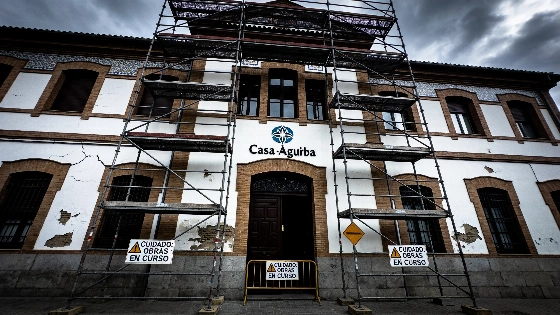
The landmark is substantially older than the institution occupying it. Designed by architect Emilio Rodríguez Ayuso and built between 1881 and 1886, Escuelas Aguirre is a prominent example of Madrid’s neo-Mudéjar architecture. Its exposed-brick façade and geometric ornament give the building a distinctive presence on Calle de Alcalá, along with a tower that rises approximately 37 metres. Its former educational use and architectural character make rehabilitation a matter of municipal operations as well as heritage conservation.
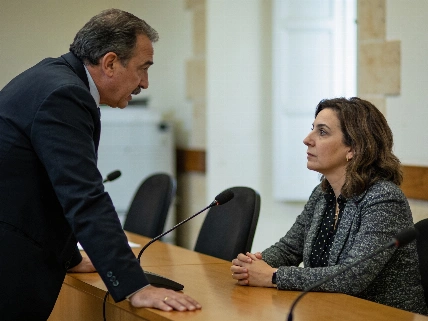
Mayor José Luis Martínez-Almeida has sharply criticized the institution’s previous management, particularly under former director Irene Lozano. He says Casa Árabe’s financial troubles and neglect of building upkeep during Lozano’s tenure contributed directly to the current disrepair. Martínez-Almeida has cited reports from the Tribunal de Cuentas as evidence of alleged mismanagement, arguing that the institution was left in a precarious financial position while impressive maintenance was ignored.
The city’s move follows months of unsuccessful negotiations with the Ministry of Foreign Affairs, which oversees Casa Árabe. Martínez-Almeida accused the ministry, and specifically Minister José Manuel Albares, of failing to engage on the issue. Although the original agreement allowed the city to reclaim the building with 15 days’ notice, officials extended the deadline to September 1 to give Casa Árabe more time to relocate. The city has ruled out offering another municipal property as a replacement, but pledged to help find a new location.
City Hall says Escuelas Aguirre faces serious structural issues after years of insufficient maintenance. Officials also argue that Casa Árabe’s current scale of activity and staffing no longer justifies its occupation of such a prominent municipal asset. The city aims to rehabilitate the building and eventually reopen it for broader public use, potentially as a cultural or municipal facility. No final decision on its future function has been announced.
Martínez-Almeida has also raised concerns about a lack of transparency over the building’s condition, saying the city has not received detailed technical reports on the extent of the damage. He argues that regaining possession is necessary to carry out a full inspection and develop a comprehensive restoration plan. Any work would need to address maintenance needs while preserving the architectural features that define the historic structure.
Established in 2006 as a public consortium involving the Ministry of Foreign Affairs, Madrid City Hall and other public bodies, Casa Árabe promotes dialogue and cultural relations between Spain and Arab and Muslim countries. Its presence at Escuelas Aguirre has placed a relatively recent cultural and diplomatic institution inside a late-nineteenth-century municipal landmark. Despite the current dispute, the city continues to provide premises for other cultural institutions, including Casa de América and Casa Asia, without similar management issues, Martínez-Almeida said.
Escuelas Aguirre is a protected historic building recognized for its architectural and cultural value. Its future use remains under discussion, but city officials have signaled a preference for opening it to all Madrid residents. The dispute raises questions about maintaining public buildings while protecting their heritage, as the city considers the future of a cultural institution at a site with more than a century of history.