Sweeping updates to Spain’s traffic regulations will take effect on October 1, introducing stricter requirements for e-scooters, motorcycles and cyclists. The changes aim to improve road safety for vulnerable groups and bring new penalties for non-compliance.
From October 1, Spain will enforce a series of significant changes to its traffic regulations, marking one of the most comprehensive updates in two decades. The new rules, designed to better protect vulnerable road users, will affect everyone from e-scooter riders to seasoned motorists, as reported by elespanol motor.
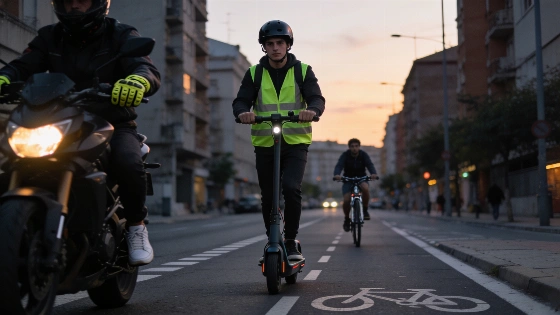
The most visible changes concern Vehicles of Personal Mobility (VMP), including electric scooters. Riders must now be at least 15 years old, wear a helmet at all times, and keep their lights on. At night or in low visibility, a reflective vest becomes mandatory. Outside urban areas, these vehicles may only use segregated lanes such as cycle tracks or bike lanes, not main roads.
Motorcyclists also face stricter requirements. Gloves are now compulsory on interurban roads, and closed footwear is required on all routes. Helmets must be fully approved, not just certified. In certain cases, motorcycles will be allowed to use the shoulder at up to 30 km/h, but only where this is clearly signposted. Delivery riders must always wear a reflective vest, regardless of the time of day.
Cyclists will see new rules for overtaking and lane use. Drivers overtaking bicycles must reduce their speed by 20 km/h below the posted limit and leave at least five meters of clearance. In urban areas, cyclists are now required to ride in the center of the lane, rather than keeping to the side.
Additional measures include new restrictions during snowy conditions: overtaking and use of the left lane are banned, and vehicles must move aside to allow emergency vehicles to pass, maintaining a 1.5-meter gap. When passing immobilized vehicles, drivers must slow down by at least 20 km/h. The updated regulations also clarify rules for caravan parking.
Driving instructor Carlos Almagro described the changes as the most significant he has seen in 20 years, emphasizing that even experienced drivers must familiarize themselves with the new rules to avoid fines. "You have to make an effort and get up to date with this new regulation," he warned, noting that ignorance will not be accepted as an excuse.
These reforms coincide with the 20th anniversary of Spain’s points-based driving license system, which has played a key role in reducing road fatalities. According to official data, the number of traffic deaths in Spain has fallen by more than half since the system was introduced in 2006. The new measures reflect a broader European trend toward prioritizing the safety of cyclists, pedestrians, and other non-motorized road users.
For drivers, the message is clear: adapting to these changes is not optional. The updated rules are intended to make Spanish roads safer for everyone, and authorities have signaled that enforcement will be strict from day one.