Málaga has approved a three-year halt on new hotels and tourist apartment blocks in residential zones. The move, set to start next week, has sparked criticism from opposition parties demanding lasting solutions.
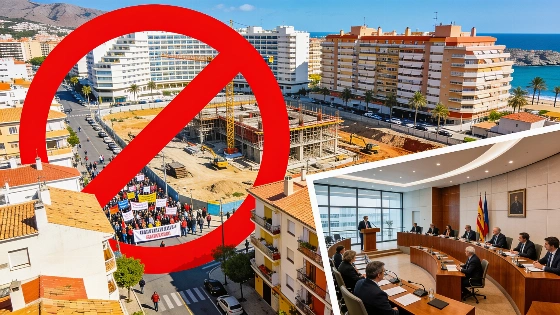
Málaga’s city council has enacted a three-year suspension on the construction of new hotels and tourist apartment blocks in residential neighborhoods, a decision that will take effect next week. The measure, passed during a tense extraordinary session, aims to address mounting concerns over the city’s rapid touristification and its impact on housing availability. The Partido Popular (PP) secured the moratorium with its majority, while the PSOE abstained and both Vox and Con Málaga voted against, highlighting deep divisions over how to manage the city’s tourism-driven growth.
The new regulation specifically targets residential land, where the development of hotels and tourist apartment complexes will be prohibited for the next three years. However, projects already in the pipeline—those with license applications or planning documents submitted before the official publication of the measure—will still be processed, a loophole that has already triggered a surge in last-minute filings. The restriction does not apply to tertiary land, where new hospitality projects can continue as before.
In addition to limiting tourist accommodations, the council has tightened rules on converting commercial premises into residential units. Such conversions will only be allowed if the resulting homes are not used for tourist rentals, and they must meet minimum habitability standards and be located on secondary streets, excluding main roads and plazas from eligibility.
The debate in the council chamber was marked by sharp disagreements. Urbanism councillor Carmen Casero defended the moratorium as a necessary step for the public interest, but acknowledged that all amendments from the opposition were rejected. She indicated that the council remains open to further discussion on control mechanisms and measures to prevent misuse of residential properties. PSOE spokesperson Mariano Ruiz Araujo described the move as a minimal and belated response to Málaga’s housing crisis, arguing that the city needs a bold, permanent regulatory framework that prioritizes residents over speculation. Toni Morillas of Con Málaga dismissed the measure as inadequate, while Vox’s Antonio Alcázar warned that blaming tourism alone for the housing shortage is misguided and could deter investment.
The moratorium comes at a time when Málaga has nearly 10,000 tourist apartment beds and 14,000 hotel beds, with a separate freeze on new tourist housing licenses already in place since 2025. Despite these efforts, the number of tourist apartment blocks has continued to rise, and the city recently saw its fourth major housing protest in two years, drawing thousands to the streets. The ongoing debate in Málaga echoes similar tensions in other Spanish cities, such as Barcelona, where authorities have struggled to contain the proliferation of tourist rentals despite license freezes—a situation explored in detail in this report on Barcelona’s ongoing challenges.
According to data from Turismo Costa del Sol, the number of tourist apartments in Málaga has only slightly decreased over the past year, while the supply of tourist apartment blocks has grown significantly. The city’s approach reflects a broader national debate over how to balance tourism’s economic benefits with the need to protect local housing markets. As the new rules come into force, attention will turn to whether this temporary measure can provide meaningful relief or if, as critics argue, only a comprehensive and permanent solution will address the underlying pressures on Málaga’s housing sector.