A 73-year-old man drowned at Jorba’s municipal pool, marking the tenth pool-related death in Catalonia this summer. Emergency teams responded but could not revive him. The region faces a growing number of similar incidents.
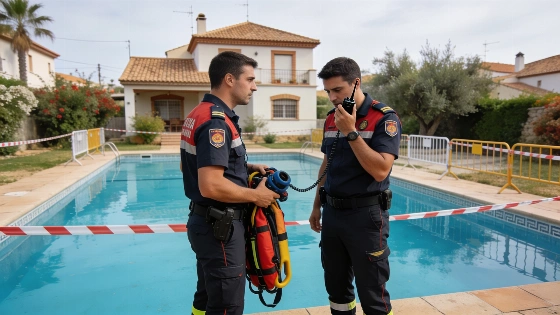
The death of a 73-year-old man at the municipal pool in Jorba (Barcelona) on Sunday has brought the number of pool drownings in Catalonia this summer to ten. The incident occurred late in the afternoon, when emergency services received a call at 18:16 reporting that a swimmer had been pulled from the water showing clear signs of drowning. Despite the rapid arrival of medical teams from the Sistema de Emergencias Médicas (SEM), all attempts to resuscitate the man were unsuccessful.
This latest fatality highlights a concerning trend in Catalonia since the official start of the swimming season on June 15. According to Civil Protection, not only have ten people lost their lives in pool-related incidents, but around thirty more—most of them minors—have suffered injuries linked to drowning. The authorities continue to stress the importance of vigilance and adherence to safety measures at public and private pools, especially as the summer heat draws more residents and visitors to swimming facilities across the region.
The rise in water-related accidents is not limited to pools. Recent weeks have seen a series of similar tragedies along the Catalan coast. For example, a 74-year-old woman drowned at Sant Pol beach in Sant Feliu de Guíxols, underlining the broader risks faced by swimmers in both controlled and open water environments. Emergency services have responded to a surge in calls, with lifeguards and medical teams often unable to prevent fatalities despite swift intervention.
Data from previous years suggest that the elderly and children are particularly vulnerable to drowning incidents, prompting renewed calls for supervision and preventive action. Civil Protection continues to monitor the situation and urges pool operators and families to reinforce safety protocols. The ongoing series of accidents has placed additional pressure on local authorities to review current regulations and consider further measures to reduce risks during the peak summer months.
In Spain, drowning remains one of the leading causes of accidental death during the summer, especially in regions with high numbers of public pools and coastal resorts. The combination of increased attendance, high temperatures, and sometimes limited supervision can quickly turn a routine swim into a life-threatening emergency. As the season progresses, officials are expected to intensify awareness campaigns and inspections to help prevent further tragedies.