Maricarmen Abascal, forced out of her Madrid home after seventy years, has died at 87. Her battle against eviction sparked protests and changed Spain's housing debate.
Maricarmen Abascal spent seventy-one years in the same Madrid apartment. When she was finally forced out, the eviction set off a storm of protest that swept across Spain. Just months later, Abascal died at 87, her last days spent in a hospital bed instead of the home she fought to keep.
Her case was never about unpaid rent or neglect. Abascal lived on a 1,400 euro pension and always paid her rent—about 500 euros a month under a contract that had lasted decades. She kept up with her bills. Trouble started when a property company bought her flat in the Retiro district for far less than its market value. The new owners claimed her contract had already been passed down twice, first to her mother and then to her, and said she had to go. Over several years, they turned down every offer she made, whether it was to pay more rent or to buy the apartment outright. Instead, they demanded 1,600 euros a month, a figure her pension could not cover.
According to independent reports, after the original contract was terminated, the landlord raised the rent demand from approximately 500 to as much as 2,650 euros per month, with later negotiations mentioning 1,650 euros.
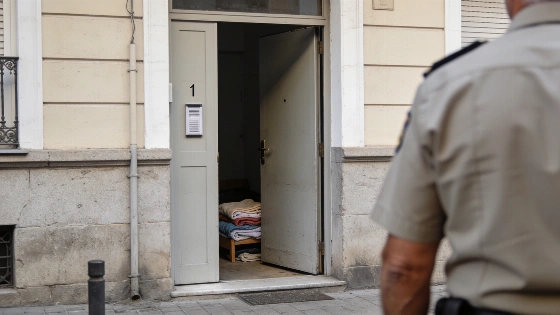
Four times, the owners tried to evict her. Each time, Abascal stood her ground, backed by the Sindicato de Inquilinas and a growing group of activists. The final eviction on September 23 went through. The cost was immediate. Abascal, who already needed a wheelchair and daily help, was hospitalized right after losing her home. Her health collapsed. She lost muscle, struggled to eat, and told visitors, "Me ha afectado en todo. Yo ahora no soy yo."
Her eviction set off a chain reaction: crowds took to the streets, activists camped out in city squares, and even a general strike followed. The pressure grew so intense that, for the first time in Spain, a property company agreed in principle to let an evicted tenant return under a new contract. But the deal came too late. Her family and lawyer said in a joint statement, "this solution has arrived too late." Abascal never made it back home.
The legal dispute was more complex than a simple rent increase. According to Urbagestión, the contract originally signed in 1956 was considered terminated as early as 2007, a position upheld by the Audiencia Provincial de Madrid and left unchallenged by the Supreme Court in 2023. Throughout the proceedings, it was maintained that Abascal remained in the apartment without a valid contract, despite her regular rent payments.
Abascal's life was tied to that apartment since 1956, when her father first rented it. She worked as a secretary in a pharmaceutical company for 34 years and retired in 1998. Her days were simple: morning walks, shopping at the local butcher, caring for her porcelain collection and family photos. She took pride in her work and her home. "He trabajado toda mi vida," she would say, showing off black-and-white photos of her parents and brother—some of the few things she brought with her to the hospital.
Even as her health faded, Abascal became a symbol for others fighting eviction. From her hospital bed, she sent messages to protesters: "Luchad, defended lo que es vuestro y, por favor, tened cuidado. Seguid acampando hasta que vuestro cuerpo aguante." Her words turned into a rallying cry, printed on banners and T-shirts across Spain: "Todos somos Maricarmen." She wanted to die in the room where she had watched her parents pass away, surrounded by her memories. Instead, she died in Hospital Gregorio Marañón, her wish unfulfilled.
The Sindicato de Inquilinas and her family say her story has already changed the way Spain talks about housing rights. The protests, political fallout, and the rare move by a property company to offer a new contract mark a shift in how tenant protections are seen. But her supporters say the cost was far too high.
Abascal's impact goes beyond the crowds and headlines. She cut through the red tape and forced Spain to face the real human cost of its housing rules. Her last message—"Luchad, seguid luchando por lo que es vuestro"—still hangs over the debate. As reported by the Sindicato de Inquilinas and confirmed by her family, her fight moved the national mood in a way few stories do. Her death closes one chapter, but the questions she raised about dignity, home, and justice in Spain remain wide open.