Spain’s Congress has censured Education Minister Milagros Tolón after the country posted its lowest-ever PISA scores and faced chaos at the start of the school year in Ceuta. The vote lays bare deep splits over education policy and government handling.
Spain’s Congress voted 177 to 171 to censure Education Minister Milagros Tolón. Lawmakers blamed her for the sharp drop in student scores in the latest PISA assessment and for the government’s handling of the rocky start to the school year in Ceuta. Outlets like El País and El Español reported that the censure is not legally binding, but it sends a clear political message. Deputies called on Prime Minister Pedro Sánchez to remove Tolón from her post.
The Partido Popular led the censure, with support from Vox, UPN, and Junts. They demanded Tolón’s dismissal. Lawmakers pointed to what they called “disastrous” PISA results—Spain’s lowest scores in Mathematics, Reading, and Science since joining the international test. They accused Tolón of refusing to take responsibility for the decline. The Partido Popular filed the motion on September 17, tying it directly to the PISA results and what they described as poor management of the school year’s start in Ceuta, as reported by El Debate and Demócrata.
The Partido Popular also demanded that the government acknowledge political responsibility for the PISA results and called for broader reforms in teaching and school policy.
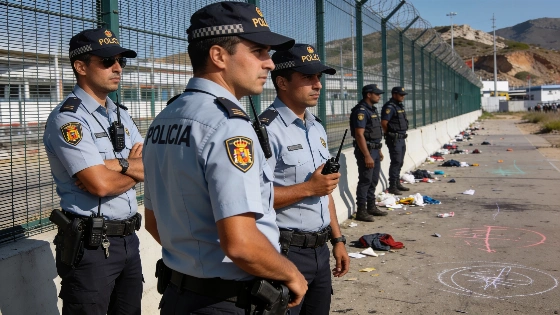
The debate grew heated over Ceuta, where the central government runs education directly. At the end of July, a surge of migrants led to chaos as schools tried to take in new students. Congress called for urgent steps to return or repatriate those who entered Ceuta illegally. For minors, deputies demanded they be reunited with families or placed in social services in their home countries after identification and assessment. The Spanish government says school attendance in Ceuta has climbed to 90% from 75% at the start of the year. Officials now say the situation is back to normal.
In a separate vote, deputies pressed for measures to protect the safety and wellbeing of students in Ceuta. They called for the withdrawal of any orders that could hurt academic results or limit equal opportunities. But when it came to specific proposals—like daily reading hours in primary schools and strengthening core subjects—these failed. The vote was 176 against, 171 in favor. The government has announced 250 million euros for education improvements, according to official sources.
Support for the censure motion came not only from the Partido Popular but also from Vox and Junts, which was decisive in securing its passage. However, the motion itself is a parliamentary censure (moción) and does not legally compel the minister’s removal.
Óscar Clavell, education spokesperson for the Partido Popular, criticized what he called a “continuous erosion of teacher authority” and growing complaints about red tape. His party’s push for a full overhaul of the teaching profession—including better training, career paths, evaluations, and working conditions—also failed. Talks between the government and unions on these issues have dragged on since January 2022. Few expect a deal before the next elections.
This is not the first censure of a minister in this legislature. Just last week, Congress reproached Interior Minister Fernando Grande-Marlaska for his handling of the Ceuta crisis. Transport Minister Óscar Puente and Equality Minister Ana Redondo have also faced formal censure in recent months.
The censure of Milagros Tolón shows how divided Spain is over education policy and crisis management. With no agreement on reforms and mounting evidence of deeper problems, the education system remains on shaky ground. As elections near and pressure builds, the lack of action could further erode public trust in the government’s ability to fix what many see as urgent failures.