Spain’s plan to phase out 2G and 3G networks could silently disable the emergency SOS button in millions of vehicles. Many older eCall systems cannot connect to 4G or 5G, leaving drivers exposed if disaster strikes.
Drivers across Spain may soon find their car’s red SOS button useless. Mobile operators are shutting down 2G and 3G networks. That puts the eCall system—meant to connect drivers to emergency help—at real risk.
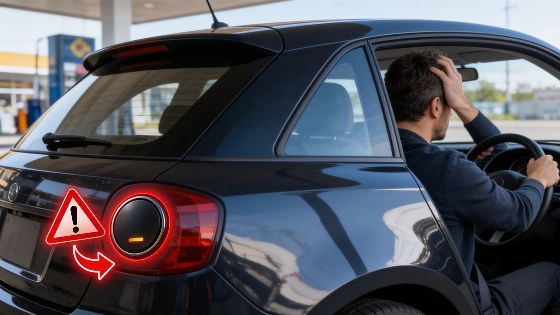
The problem is simple. Most eCall modules in Spanish cars only work with 2G or 3G. In a crash, these systems are supposed to call 112 and send the car’s location, even if the driver can’t move. But as old networks disappear, those calls could fail. No signal. No help.
In Spain, operators are phasing out 3G at different rates, with some planning to keep 2G for IoT devices until at least 2030, while others may end 2G/3G support as early as 2027.
Joseba Barrenengoa, engineer and EasyGas founder, has warned about this for months. As 2G and 3G vanish, some cars will lose their emergency link. The hardware stays in the car, but without a working network, it’s just dead plastic. This isn’t a theory. The European Commission says up to 64 million vehicles across the EU could lose eCall if nothing changes.
Not every car faces the same risk. The EU made eCall mandatory for new passenger cars and light vans from March 31, 2018. But the tech inside varies. Some newer cars already use 4G or 5G. Many do not. The only way to know for sure is to check the car’s manual or ask the manufacturer.
Barrenengoa doesn’t mince words. He says a life-saving system shouldn’t go dark while the car is still roadworthy. He also points at automakers who refuse to update or retrofit old eCall units. That leaves drivers thinking they’re protected when they’re not.
According to public statements by major Spanish operators, Movistar plans to complete its 2G/3G shutdown by mid-2027, while MasOrange intends to end 3G by December 31, 2027, but will maintain 2G for IoT devices until at least the end of 2030. This staggered approach means the risk to eCall systems will vary by region and operator.
Spain hasn’t set a single date for shutting down 2G and 3G everywhere. The government started a public consultation on December 17, 2025, to study the impact on services like eCall. Feedback closes January 20, 2026. For now, the risk grows slowly. eCall will only fail when every compatible network in an area is gone. But the change has started. Drivers may not notice until they need help—and get nothing.
New rules are coming. From January 1, 2026, new vehicle approvals must support the next generation of eCall. By January 1, 2027, more requirements will hit new cars under transition rules. But these deadlines don’t force upgrades for cars already on the road. Millions could be left behind as the networks they rely on fade away.
The warning is clear for Spanish drivers. A car can look fine, but its most important safety feature might be cut off from emergency services. As reported earlier, Spain’s car market is already changing fast with more electric vehicles and new tech. Now, even basic safety is at risk—not from broken parts, but from digital upgrades that leave old systems behind.
This isn’t some far-off worry. The eCall problem shows what happens when tech lifespans and public safety don’t match. Spain and the EU are pushing ahead with new networks. But without mandatory retrofits or clear plans, millions could lose a system meant to save lives. Automakers’ reluctance to fix old units, plus regulatory gaps, means many drivers could lose emergency help without warning. The message is blunt: progress can’t come at the cost of safety. Policymakers need to act before silent failures put lives at risk.