A Moroccan government agency claims Spanish police mistreated migrants in Ceuta. The report highlights alleged abuse, lack of protection for minors, and controversial business shutdowns. Local authorities dispute the findings.
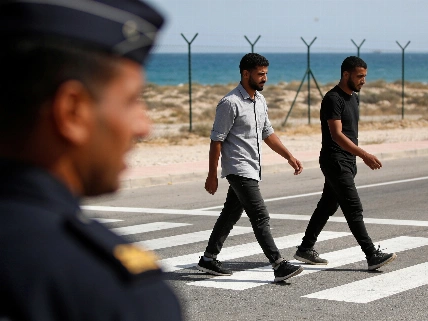
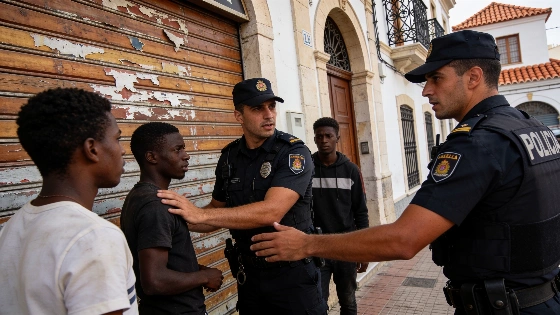
A Moroccan state human rights body has sharply criticized Spanish police and Ceuta authorities over their handling of the mass migrant influx at the end of July. The preliminary report from the Consejo Nacional de Derechos Humanos de Marruecos (CNDH), released on August 8, alleges that Spanish security forces inflicted mistreatment and physical aggression on migrants who entered Ceuta en masse on July 30 and 31. The document also faults local officials for failing to provide adequate care, especially for minors and young people among the estimated 72,000 arrivals in just 48 hours.
The CNDH report, which is not yet final, claims to have gathered consistent testimonies from returnees to Morocco describing abuse by Spanish police, particularly in areas not covered by surveillance cameras. According to the findings, minors were reportedly targeted by extremist groups, suffering insults, physical attacks, and stigmatization. The report further documents cases where both Spanish and Moroccan authorities allegedly violated the physical integrity of migrants, as well as incidents involving Moroccan security personnel themselves.
One of the most contentious points is the accusation that Ceuta's local authorities ordered the closure of restaurants, cafés, and shops during the crisis, depriving migrants of essential services. However, business owners and the local business association clarify that the closures were voluntary, following a recommendation from the Confederación de Empresarios de Ceuta, not a direct government order.
The CNDH also highlights the role of social media in fueling the migration wave. Its monitoring team reviewed posts from 23 Facebook groups with over 1 million members, noting that misleading content about migration and Spanish policy spread rapidly. Notably, five major groups were deleted on July 30, coinciding with the peak of the migrant influx. The report references viral images, such as a young Moroccan woman making a victory sign after crossing into Ceuta, as symbols that galvanized further crossings.
Beyond the immediate events, the CNDH draws parallels to its earlier 2022 report on the deadly Melilla border incident, where at least 23 migrants died. Then, the agency blamed Spanish authorities for closing border gates, but subsequent investigations by NGOs and media, including an analysis by RUSSPAIN, indicated that Moroccan forces initially allowed the crossing and later confined migrants in a restricted area, contributing to the tragedy. Videos from that incident showed Moroccan officers using force and tear gas in a closed space, with fatalities resulting from suffocation and crushing.
In the aftermath of the Melilla case, the Moroccan prosecutor's office closed the investigation, citing a lack of evidence of criminal conduct and concluding that Moroccan agents used proportional force. The Ceuta episode now revives scrutiny of both countries' border practices, with the CNDH's latest findings likely to fuel further debate over responsibility and humanitarian standards at Spain's North African frontiers.
Ceuta and Melilla, as Spanish enclaves bordering Morocco, have long been focal points for irregular migration into the European Union. The rapid arrival of tens of thousands of migrants in July 2026 overwhelmed local infrastructure and prompted emergency measures. Spanish authorities have repeatedly defended their actions, emphasizing the complexity of managing such large-scale movements and the need for cooperation with Moroccan counterparts. The ongoing tension underscores the challenges of balancing border security, humanitarian obligations, and the realities of migration pressures in the region.