A sudden network failure on October 1 left thousands of DIGI and Movistar customers unable to make calls or access the internet. The disruption also paralyzed communications at the University of Alicante, exposing the risks of shared infrastructure in Spain’s telecom sector.
Phones went silent across Spain at 09:40 on October 1. DIGI and Movistar users lost calls and internet in an instant. The blackout hit hard. By mid-morning, the University of Alicante was cut off too. Staff and students could not reach outside lines. Internet access vanished at a key moment for campus life.
Downdetector, which tracks network failures, saw a flood of reports. By 10:30, DIGI alone had over 4,500 complaints. Movistar users also voiced anger, though in smaller numbers. The reason is simple. DIGI, owned by Romania’s DIGI Communications (RCS & RDS), uses Telefónica’s network to provide mobile service in Spain. When a problem hits shared infrastructure, both brands go down. Customers have no backup. They just wait.
According to Democrata, around 80% of user complaints during the outage were related to mobile internet and coverage issues, with DIGI customers mainly affected in mobile services and Movistar users reporting problems with broadband and Wi‑Fi.
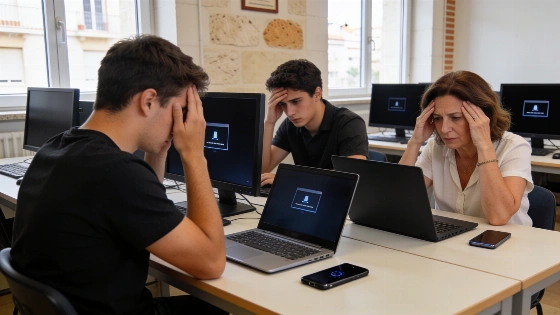
At the University of Alicante, IT teams rushed to fix what they could. They got the intranet working again. But outside calls and internet stayed dead. People on campus had to manage without digital tools for hours. Local media said classes went on. Still, the outage showed how exposed big institutions are when national telecom networks fail.
For regular users, the impact was more than a hassle. Many could not call or receive calls at all. Restarting phones and routers did nothing. Media experts explained why. If the core network fails, there is nothing users can do from their end. The fix must come from the provider.
Telefónica told Xataka Móvil there was "no problem. It’s fixed and barely noticed." The facts tell a different story. Thousands complained. A major university lost contact. The incident shows how fragile Spain’s telecom system is. One fault can knock out several operators and public services at once.
Independent tech media reported that the problems for Movistar, O2, and DIGI began early in the morning, peaking around 10:00, after which the incident quickly subsided. Telefónica officially stated that the issue was already resolved and the impact was minimal, but the exact technical cause was not disclosed at the time.
The outage ended within a few hours. But the questions remain. Can shared networks handle future failures? Are organizations ready for the next one? As seen in other recent disruptions reported earlier, keeping vital services running during technical breakdowns is now a top concern for both users and institutions. October 1 proved it. In Spain, network reliability is not just a tech issue. It’s part of daily life and public trust.