State to grant up to 15,000 euros to young homebuyers in small towns. A large-scale program to support young and vulnerable families with buying and renting housing is launching in Spain. The state and regions will allocate €7 billion for subsidies, renovation, and the construction of affordable housing. Key details in the report.
The Spanish government has approved a new Plan Estatal de Vivienda 2026-2030, which is a game changer for young families and residents of small towns. Over the next five years, €7 billion will be allocated to support the housing market: 60% of the funds will come from the national budget and 40% from regional funds. Distribution of support will be managed by the autonomous communities.
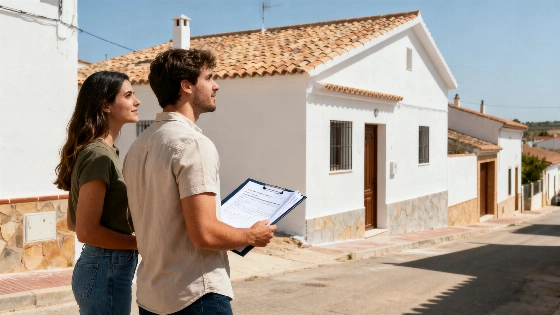
The key innovation is substantial subsidies for people under 35 who decide to buy their own home in municipalities with populations up to 10,000 or in depopulation risk areas. The amount of aid can reach up to €15,000, but no more than 20% of the property’s value. This aims not only to help young people get started, but also to revitalize life in small towns, where demand for real estate is traditionally lower.
Support for tenants
The plan also provides significant measures for tenants. Young people can qualify for a monthly 'rental bonus' of up to €300 (or €200 per room) if the rent does not exceed €1,000 per month (€600 per room). For families with an annual income of up to €42,000 (not more than 5 times the IPREM), a general subsidy is available—up to €250 per month for an apartment or €150 per room, but no more than 40% of the rent.
Special attention is given to vulnerable groups: victims of violence, people at risk of eviction, the homeless, and other categories. For them, the state is prepared to cover up to 100% of the rent (maximum €1,000 per month) and additionally reimburse utility expenses—up to €300.
Renovation and new construction
30% of the budget will be allocated to renovation and improving the energy efficiency of housing. Subsidies for repairs and accessibility improvements will range from €8,000 to €22,000 per apartment, depending on the scope of work. Another 40% of the funds will be used to bring vacant properties onto the rental market and to build new VPO (officially protected housing). Owners who rent out vacant apartments at affordable prices can receive up to €600 per month on top of the rent if they agree to long-term leases (at least 7 years).
New VPOs will have permanent protected status and will mainly be rented out for a minimum of 50 years. This is expected to increase the supply of affordable apartments and stabilize the market.
Additional opportunities
There is an option for young people to rent with an option to buy: the subsidy can reach €33,600 plus a percentage of the property's value. This approach provides flexibility to choose between renting and buying without losing the right to government support.
In the context of major changes in the housing market, it is worth noting other initiatives aimed at increasing property accessibility. For example, Madrid is launching the largest residential project in recent years — the construction of the new Valdecarros district with tens of thousands of apartments and its own infrastructure. This will further expand opportunities for families and young professionals looking for reasonably priced housing.
The implementation of the new plan will begin in the second half of the year. The support measures are expected not only to reduce the financial burden on young people and vulnerable families, but also to stimulate the development of small towns and the renovation of the housing stock across the country.