Key oil routes in the Middle East have been blocked or attacked. The closure of the Saudi pipeline and Bab el Mandeb strait is driving up global fuel costs. The world economy faces new risks as supply routes remain under threat.
Global oil shipments have been thrown into disarray after Saudi Arabia shut down its East-West pipeline and attacks intensified near the Bab el Mandeb strait. Brent crude is holding above $105 a barrel, and the effects are showing up in higher fuel and shipping costs across Europe and beyond.
The immediate cause was the latest escalation in the Middle East, which began on 28 January when the United States and Israel carried out airstrikes on several Iranian cities. Iran has responded with a mix of military and non-military tactics, aiming to control oil exports from the region. The result is a deliberate squeeze on the main routes connecting Asian and European energy markets.
Reuters отмечает, что после остановки East-West pipeline запасы нефти в Янбу могли обеспечить экспорт лишь на 5–7 дней без восстановления маршрута.
The Strait of Ormuz is at the center of this crisis. This narrow channel handles about a third of all seaborne crude and a similar share of global fertilizer shipments. According to a Washington-based report, Iran is now treating Ormuz as a toll booth, forcing ships to pay for passage and presenting this as the new normal. The impact goes beyond fuel prices, affecting food costs as supply chains are disrupted.
Saudi Arabia’s East-West pipeline, built in the 1980s to bypass Ormuz, runs 1,201 kilometers from Abqaiq to Yanbu on the Red Sea. With a capacity of 7 million barrels per day, it has been a key route for exporting oil to Europe, Asia, and the US without passing through the Persian Gulf. In March 2026, the pipeline reached full capacity, increasing oil flows through the Red Sea by 21 percent compared to February. But on 11 June, Saudi authorities shut it down after a series of drone attacks launched from Iraq by pro-Iranian militias. This has left the region with even fewer safe export options.
Reuters reports that the Saudi Ministry of Energy called the shutdown a "precautionary" step after the drone attacks, with both Riyadh and Baghdad blaming drones launched from Iraq. The pipeline, about 1,200 kilometers long, had been moving 4–5 million barrels per day in recent months, or roughly 4–5% of global oil supply. This shows how important the route is for Saudi Arabia and the wider market.
Reuters сообщает, что после атаки на трубопровод и усиления контроля хуситов над районами у входа в Красное море, часть танкеров вынуждена идти в обход Ормуза вдоль побережья Омана под защитой ВМС США, что увеличивает время и стоимость доставки нефти.
At the same time, the Bab el Mandeb strait, which links the Red Sea to the Gulf of Aden, has become another flashpoint. Yemen’s Houthi rebels, backed by Iran, have stepped up attacks on shipping and Saudi infrastructure, including Aramco facilities and the Khamis Mushait air base. The rebels recently seized the island of Perim, which splits the strait into two channels, giving them control over a chokepoint that handles 12 percent of global maritime trade and 30 percent of container traffic. The US Energy Information Administration notes that 8 percent of the world’s liquefied natural gas and 11 percent of seaborne oil pass through Bab el Mandeb each year.
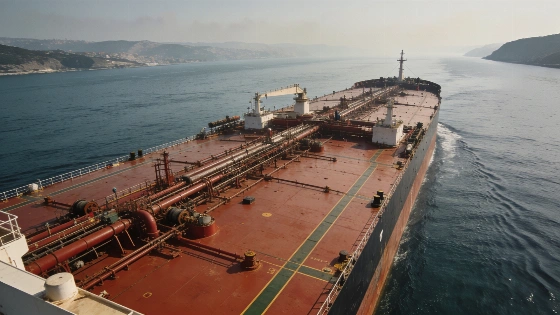
With the Houthis now holding Perim, the risk to shipping has jumped. The Red Sea route is crucial for Europe’s access to Asian markets, and only the largest supertankers can avoid it by detouring around the Cape of Good Hope. The disruption has already pushed up gasoline prices and shipping costs, with the potential for wider economic fallout if the situation drags on.
The effects are not limited to the Middle East. The squeeze on oil and gas flows is being felt in Spain and across Europe, where energy security and price stability are under new pressure. The crisis echoes other recent regional shocks, such as the Ceuta migrant standoff, where local disruptions quickly became national problems.
The facts are clear: Iran’s strategy of targeting oil routes has upended the usual patterns of global energy trade. With Ormuz, the East-West pipeline, and Bab el Mandeb all at risk, the world faces a period of uncertainty. As long as these chokepoints remain contested, the threat of further price spikes and economic fallout will hang over every country that relies on Middle Eastern energy. For Spain and its European neighbors, the lesson is direct: energy security is fragile when the world’s main supply lines can be disrupted so quickly.