Ceuta is experiencing a backlog in asylum applications, leaving over 2,000 refugees in limbo. Many, including Palestinians, wait weeks for updates. Authorities promise new measures, but the process remains stalled.
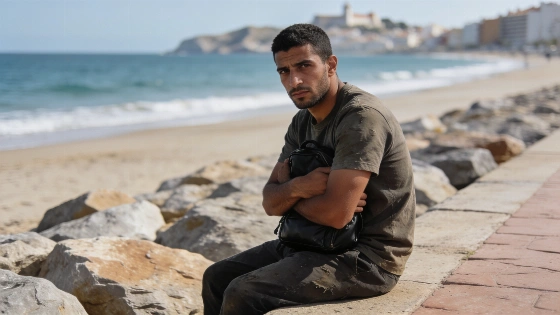
Ceuta is witnessing a mounting crisis as more than 2,000 refugees, many of whom arrived by sea, remain stranded without progress on their asylum applications. The administrative bottleneck has left individuals like Saddam Yaser, a Palestinian who swam to the Spanish enclave nearly two weeks ago, in a state of uncertainty. Despite having initiated the legal process and meeting the requirements for protection, Yaser and others have received no updates from authorities, raising fears of being left unprotected or even expelled.
Legal volunteers and NGOs have stepped in to assist, but the sheer volume of cases has overwhelmed available resources. While some migrants, such as Ahmed Awwad from Ramallah, have paid for private legal help, most rely on free assistance that is stretched thin. The main obstacle is not the initial filing of applications, but the lack of follow-up interviews and case evaluations by the police, which are required under European regulations. Without these steps, the process stalls and applicants remain in legal limbo.
Officials acknowledge the problem. The Ministry of the Interior claims to have activated extraordinary measures to speed up processing, and some applications—mainly from Moroccan nationals—have already been rejected for not meeting international protection criteria. However, only a handful of cases, such as that of a Senegalese woman at risk, are reportedly close to a positive outcome. The government has announced plans to open a Temporary Foreigners' Attention Centre (CATE) in Ceuta within a month, but so far, this has not materialized.
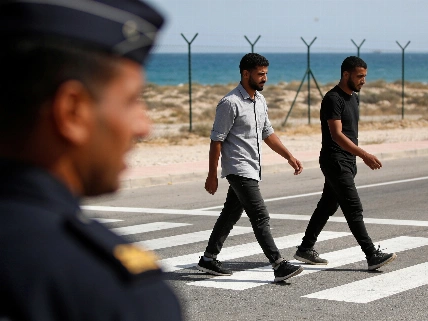
On the ground, daily life for migrants is marked by waiting and uncertainty. Many, like Yaser, avoid drawing attention to themselves and help others as informal interpreters. Tensions are rising as the heat and lack of progress take their toll. Access to basic needs, such as charging a phone or buying supplies, is complicated by police controls and reluctance from local businesses. The risk of summary expulsions remains, especially for those mistaken for Moroccan nationals near the border.
This situation is not unique. Ceuta has faced similar surges before, with rescue teams and authorities struggling to cope with the influx. As highlighted in recent coverage of maritime rescues at the border, the strain on local resources has exposed systemic weaknesses. The current backlog underscores the urgent need for structural solutions to ensure that those seeking protection are not left in prolonged uncertainty.
Spain's asylum system is governed by both national law and international treaties, guaranteeing the right to seek protection. However, the practical implementation often falls short during periods of high demand. The delays in Ceuta illustrate the challenges of balancing legal obligations with limited administrative capacity. For now, hundreds remain in a holding pattern, waiting for the process to move forward and for their cases to be heard.