Spain's Ingreso Mínimo Vital now covers 879,225 households, supporting more than 2.6 million people. The average monthly payment stands at €504.5 per family. Nearly half of recipients are minors.
Spain's Ingreso Mínimo Vital (IMV) has reached a new milestone, with 879,225 households receiving support as of July, according to the Ministry of Inclusion, Social Security and Migration. The benefit now covers 2,682,646 people nationwide, with an average monthly payment of €504.5 per household. The total monthly outlay for this social safety net stands at €473.3 million, reflecting the scale of the program's impact.
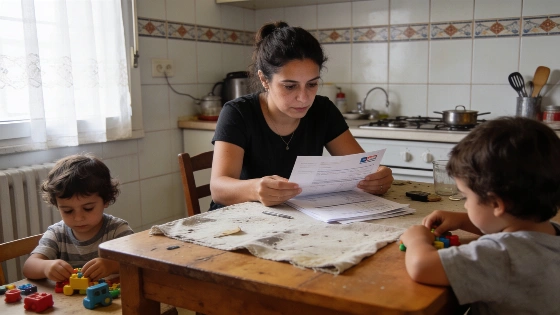
Children and adolescents account for a significant share of IMV recipients—41% of all beneficiaries, or 1,089,965 minors. This focus on young people addresses one of the core aims of the IMV: reducing child poverty. In fact, more than two-thirds of families receiving the benefit (602,620 households) include minors, and 147,491 of these are single-parent families, most of which are led by women managing childcare and household responsibilities alone.
To further combat child poverty, the IMV includes the Complemento de Ayuda para la Infancia (CAPI), a supplement specifically for families with children. In July, 613,088 households received this additional support, averaging €67.3 per child and €122.8 per household with minors. The CAPI amount varies by age: €115 per month for children under 3, €80.5 for those aged 3 to 6, and €57.5 for those between 6 and 18. Notably, the CAPI can be granted independently of the IMV, as it uses broader income thresholds, extending protection to families with low or moderate incomes and not just those in severe poverty.
The average age of IMV recipients is 28.6 years, highlighting the program's role in supporting younger people at risk of exclusion. Excluding the main benefit holders, the average age drops to 20.2 years, underlining the prevalence of children and young adults among those assisted.
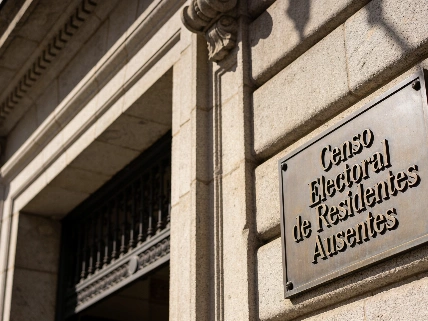
Eligibility for the IMV is based on several criteria. Applicants must have had legal and effective residence in Spain for at least the past year, with exceptions for minors joining a household, victims of human trafficking or sexual exploitation, and women affected by gender-based violence. Proof of residence is required through official registration. Economic vulnerability is assessed by examining net assets, non-corporate holdings, and income levels. Households must have been formed for at least six months, demonstrated by family records or civil registry documents. The IMV is compatible with employment income and includes incentives to encourage labor market participation and improve living conditions.
Spain's approach to social protection for vulnerable groups has drawn attention in recent years, especially as authorities continue to address risks facing minors. For example, efforts to protect children from exploitation have been highlighted in cases such as the dismantling of a trafficking network in the Canary Islands, where authorities intervened to rescue minors from abuse and illegal transfers. These developments underscore the ongoing challenges and the importance of robust social safety nets like the IMV.
Introduced in 2020, the IMV was designed to provide a guaranteed minimum income for those lacking resources to meet basic needs. The benefit is part of a broader European trend toward strengthening social protection, particularly for families with children. Spain's IMV stands out for its scale and its targeted measures against child poverty, which remains a persistent issue in the country. According to Eurostat, Spain has one of the highest child poverty rates in Western Europe, making the IMV and its supplements a critical tool for social inclusion. The program's compatibility with employment aims to avoid disincentives to work, while its flexible eligibility criteria help reach a wider range of vulnerable households. As the economic landscape evolves, the IMV is likely to remain central to Spain's efforts to reduce poverty and support at-risk populations.