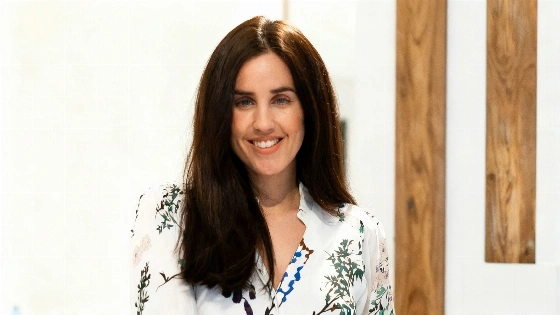
Patry Jordan on Edge: Final Weeks of Pregnancy Complicated by Serious Diagnosis. Patry Jordan has come under the spotlight due to complications in the final weeks of her pregnancy. The diagnosis of preeclampsia has become a new challenge for the blogger. Her candid revelations have sparked a wave of support.
Patri Jordan has once again become a topic of discussion in the Spanish media—this time not because of a new project or a high-profile appearance, but due to a personal drama she chose not to hide from her followers. In the final weeks of her pregnancy, the blogger was diagnosed with a serious condition: preeclampsia. This turn of events made her one of the most mentioned names in recent society news.
The anticipation of her first child with Carles Gali brought not only joy for Patri Jordan but also serious challenges. As noted by Divinity, the last weeks of her pregnancy have been particularly difficult: emotional stress, fears, and physical changes overwhelmed the star. She admitted she had long hesitated to talk about her condition because she felt anxious and insecure. Only recently did Patri speak openly about how hard it is for her to face her own reflection in the mirror and how difficult it is to accept the changes brought by pregnancy.
The diagnosis that changed everything
To the anxieties that had already built up, a new blow was added—doctors diagnosed her with preeclampsia. This is a rare but dangerous complication that affects a small number of pregnant women and is accompanied not only by high blood pressure, but also by a range of unpleasant symptoms: from severe swelling and headaches to kidney issues and sudden weight gain. Patri did not hide the fact that the last few weeks have been especially hard for her: she shared a photo of herself lying with her legs elevated, trying to ease her condition at least a little. In her stories, Jordan frankly describes how hard it is to deal with the swelling, pain, and constant discomfort, without hiding her fatigue and emotional exhaustion.
Unfiltered honesty
Unlike many of her colleagues, Patri Jordan does not try to idealize motherhood. She speaks openly about not always coping with the changes and admits that sometimes she simply doesn't have the strength. In one of her recent posts, she shared that her phone reminded her of photos from previous years—and it made her reflect on how much her life and appearance have changed. Patri doesn't hide that there are days when she doesn't recognize herself, feels limited and tired, and thoughts of tomorrow offer no relief.
Nevertheless, despite all the difficulties, Jordan emphasizes that the main thing is her future daughter's health. She urges others not to give in to others' expectations and not to compare themselves with anyone else, insisting that only she knows what she's going through. Even her plans for regular workouts had to be postponed — reality has turned out to be much more complicated than it seemed at the beginning of her pregnancy.
Support and response
Patri Jordan's story sparked a wave of support among followers and colleagues. Many share their own experiences to support the blogger during this challenging time. In Spanish media, voices for honesty and openness are increasingly heard when it comes to motherhood and women's health. Against this backdrop of revelations, other stories are also recalled, when public figures were not afraid to speak about personal struggles — such as, for example, the case of Verónica Dulanto, who recently shared rare details about her mother.
What is known about preeclampsia
Preeclampsia is a disorder related to increased blood pressure in pregnant women that can develop after the 20th week of pregnancy. The exact causes are not fully understood, but it is known that the problem often begins with abnormalities in the formation of placental blood vessels. Symptoms can vary, ranging from headaches and swelling to changes in blood and urine tests. This condition poses serious risks for both the mother and the baby, including premature birth and complications involving the organs. That is why doctors closely monitor the condition of women with this diagnosis and may decide on early delivery if necessary.