Tensions escalated in the Spanish Congress as Patxi López responded forcefully to Alberto Núñez Feijóo. The PSOE spokesperson defended his father's legacy and accused the PP leader of crossing a line.
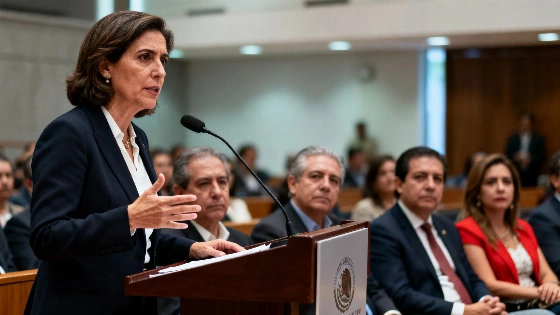
Political tensions in Spain's Congress of Deputies intensified after Patxi López, spokesperson for the PSOE, delivered a pointed response to Alberto Núñez Feijóo, leader of the Partido Popular. The confrontation erupted when Feijóo questioned what Eduardo López Albizu, López's father, would think of current events, using the reference during a reply to Prime Minister Pedro Sánchez.
López, visibly unsettled by the personal nature of Feijóo's remarks, countered with a sharp rebuke. He argued that Feijóo lacked the moral standing to invoke his father's name, referencing the hardships Eduardo López Albizu endured—detention, imprisonment, and exile—due to his defense of freedom during Spain's dictatorship era. López contrasted this with the historical role of the PP's founder, highlighting his involvement in the Francoist government responsible for such repression.
The exchange drew immediate attention from both sides of the chamber, with members of the government bench applauding López's intervention. The PSOE spokesperson concluded by directly accusing Feijóo of acting with malice, escalating the already heated debate between the two main parties.
This incident underscores the persistent sensitivity around Spain's recent history and the legacy of the dictatorship, which continues to influence political discourse. The use of personal and historical references in parliamentary debate remains a contentious issue, often sparking strong reactions and drawing public scrutiny. Similar tensions have surfaced in other high-profile exchanges, such as when Aitana Sánchez-Gijón addressed generational challenges in Spain's cultural sphere, as seen in her recent statements during the return of 'La malquerida' to Madrid (more on this cultural debate).
Spain's political landscape is frequently shaped by references to the past, especially regarding the transition from dictatorship to democracy. The Congress of Deputies often becomes the stage for these historical reckonings, reflecting broader societal debates about memory, justice, and political legitimacy. The latest confrontation between López and Feijóo highlights how personal histories and party legacies remain deeply intertwined with current political battles.